A rotten-egg smell coming from your shower, orange stains inside your bathroom sink, and cloudy water flowing from your kitchen faucet can make everyday household activities unnecessarily frustrating. Add stubborn mineral deposits to the mix, and maintaining a clean, comfortable home becomes even more challenging.
These problems are particularly relevant to properties that depend on private wells, although municipal water customers may also experience certain water quality concerns.
The good news is that different treatment technologies are available to address these individual challenges.
For homeowners and business owners throughout Northeast Florida, Tri-County Water Specialists can help explore treatment solutions based on specific water conditions. Understanding the differences between specialized filtration, sediment removal, and water softening is an important step toward creating a dependable treatment arrangement that delivers practical long-term value.
Address Unpleasant Sulfur Odors and Stubborn Iron Stains
Few things are more unpleasant than turning on your shower and immediately noticing a rotten-egg smell. Similarly, discovering reddish-brown stains on freshly washed clothing can make laundry day particularly frustrating.
Professional specialty iron & sulfur filtration offers a targeted approach to addressing elevated iron concentrations and hydrogen sulfide-related odors that may affect groundwater quality.
Iron naturally occurs in underground rock formations and can dissolve into groundwater. When dissolved iron comes into contact with oxygen, it may form reddish-brown particles that accumulate around plumbing fixtures and household surfaces.
Hydrogen sulfide, meanwhile, can produce a distinctive rotten-egg odor that makes water less appealing for bathing, cleaning, and other everyday activities.
Depending on testing results, treatment may involve oxidation-based filtration, specialized media, or other technologies designed to address these conditions.
Imagine washing your favorite white shirt without worrying about unexpected rust-colored stains or taking an evening shower without an unpleasant sulfur smell.
Appropriately selected treatment can make these ordinary experiences more enjoyable.
However, not every sulfur-related odor originates from groundwater. If the smell occurs exclusively when using hot water, the water heater could be contributing to the problem.
Professional evaluation helps identify the underlying cause before unnecessary equipment is installed.
Improve Water Clarity by Addressing Suspended Particles
Water that appears cloudy or contains visible particles can raise understandable concerns. Nobody wants to discover sand-like material at the bottom of a drinking glass or gritty residue around kitchen fixtures.
Effective sediment and turbidity reduction helps property owners address suspended particles that affect water clarity and contribute to certain plumbing and equipment maintenance problems.
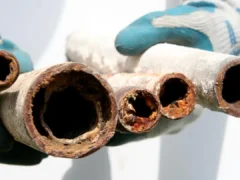
Sediment may enter a water supply through groundwater conditions, deteriorating plumbing, damaged well components, or disturbances within distribution infrastructure.
Turbidity refers to the cloudiness of water caused by suspended material that scatters light.
Depending on the size and characteristics of these particles, suitable treatment equipment may include cartridge filters, backwashing filtration systems, or specialized filtration media.
Potential advantages of appropriate sediment treatment include:
- Reduced visible particles in household water.
- Improved water clarity and appearance.
- Less sediment accumulation inside faucet aerators.
- Reduced particulate buildup around plumbing fixtures.
- Protection for downstream water treatment components.
- More manageable maintenance of water-using appliances.
Selecting the correct filtration capacity and micron rating is essential. An unnecessarily fine filter may clog quickly or restrict water flow, while an unsuitable coarse filter might allow smaller particles to pass through.
It’s also worth investigating the source of persistent sediment. Filtration can capture unwanted particles, but it cannot repair damaged well equipment or deteriorating plumbing.
Addressing the underlying cause alongside appropriate filtration provides a stronger foundation for dependable water quality.
Protect Your Household Equipment Against Excessive Hardness
Have you ever wondered why chalky deposits repeatedly appear around faucets, even after thorough cleaning? Calcium and magnesium dissolved in your water could be contributing to the problem.
Investing in water softening for hardness and scale helps homeowners reduce these dissolved minerals before they contribute to recurring household maintenance challenges.
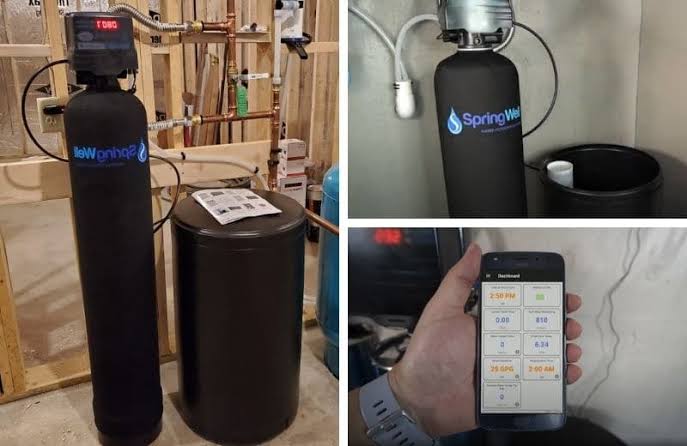
Conventional water softeners use ion-exchange technology. Specialized resin captures calcium and magnesium ions while releasing sodium or potassium ions into the water.
Periodic regeneration restores the resin’s treatment capacity, allowing the equipment to continue reducing hardness.
One of the most valuable advantages of softening involves reducing future mineral scale formation inside water heaters, dishwashers, and other water-using appliances.
Softer water may also improve soap effectiveness, reduce hardness-related spotting, and make freshly washed laundry feel more comfortable.
For commercial properties, appropriate hardness reduction may help minimize certain maintenance requirements involving beverage equipment, dishwashers, and water-heating systems.
However, conventional water softening doesn’t reliably address every iron or sulfur-related concern. Elevated concentrations of these substances may require specialized pretreatment.
Additionally, softened water can still contain other dissolved substances that leave visible residue.
Understanding these limitations helps property owners choose complementary technologies that address their actual water conditions without unrealistic expectations.
Combine Treatment Technologies for Better Overall Results
Some Northeast Florida properties experience several water quality problems simultaneously. A household might struggle with sulfur odors, reddish stains, suspended particles, and excessive hardness.
Expecting one conventional filter to resolve all these concerns could lead to disappointing results.
A personalized treatment arrangement may incorporate sediment filtration, specialized iron and sulfur removal equipment, and conventional water softening.
The sequence of these treatment stages matters because unsuitable incoming water conditions can interfere with downstream equipment performance.
Professional evaluation helps determine the appropriate configuration based on water chemistry, household consumption, peak demand, and installation requirements.
Not every property requires multiple treatment systems. Sometimes, a simpler arrangement provides everything a household genuinely needs.
Start With Reliable Water Testing Before Purchasing Equipment
Visible stains, unpleasant odors, and cloudy water provide useful clues, but they don’t establish the exact characteristics of your water supply.
Professional testing can help identify hardness levels, iron concentrations, acidity, turbidity, and other relevant water conditions.
Private well owners should also arrange appropriate laboratory testing for bacteria, nitrates, and other potentially harmful contaminants according to public health recommendations.
Clear, pleasant-smelling water isn’t necessarily safe to drink.
Reliable testing helps property owners distinguish between aesthetic concerns, equipment maintenance problems, and potential drinking water safety issues.
Maintain Your Treatment Equipment for Long-Term Performance
Regular maintenance plays an essential role in preserving water treatment effectiveness.
Replace sediment cartridges, service specialized filtration media, maintain backwashing equipment, and replenish softener salt according to manufacturer recommendations.
Unexpected changes in water pressure, odor, staining, or mineral deposits may indicate that equipment requires inspection.
Periodic follow-up testing can also help verify that each treatment stage continues addressing its intended objectives.
Keeping maintenance records makes future servicing expenses and replacement requirements easier to anticipate.
Experience Better Water for Your Northeast Florida Property
Unpleasant sulfur odors, stubborn iron stains, gritty water, and excessive mineral deposits shouldn’t become permanent features of your home or business.
Consider contacting Tri-County Water Specialists to discuss your water quality concerns and explore personalized treatment recommendations.
With reliable testing, appropriate equipment selection, professional installation, and consistent maintenance, property owners can address many persistent water quality challenges.
Ultimately, investing in better water means spending less time dealing with avoidable maintenance problems and more time enjoying a comfortable, efficient property supported by thoughtfully selected water treatment technology.