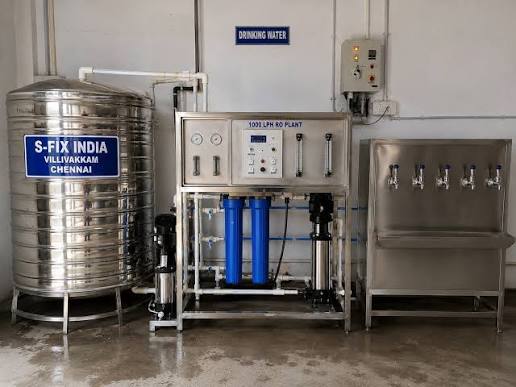
Most household equipment gives you a warning before it becomes a serious problem. A washing machine might start making an unfamiliar noise, or a refrigerator may struggle to keep things cold. Water treatment systems, however, can be a little less obvious. A filter may gradually lose effectiveness, a softener might stop working as expected, or a small leak can go unnoticed behind the equipment.
Often, the first clue is something ordinary: cloudy glasses, stubborn mineral deposits, an unexpected change in water taste, or a system that seems to use more supplies than usual. These issues don’t always mean the equipment has failed, but they do deserve attention. With a sensible approach to repairs, upgrades, and routine care, you can avoid unnecessary disruption and get more value from your investment.
Recognizing the Signs That Something Isn’t Right
A water treatment system should perform according to its design and the conditions it was selected for. When the results change, it’s worth investigating rather than assuming the problem will disappear on its own.
For example, a household with a water softener might notice scale returning around faucets and showerheads. That could indicate a low salt supply, a change in system settings, or a mechanical issue. If a filtration system suddenly produces water with an unusual taste or odor, the cartridge may need replacing, but the cause could also be related to the incoming water supply or household plumbing.
Pay attention to changes in water pressure, unusual sounds, visible leaks, error indicators, and unexpected increases in water or salt consumption. Keep in mind that these symptoms aren’t definitive diagnoses. Several different problems can produce similar signs, so checking the manufacturer’s instructions is a useful starting point.
If you suspect a fault, avoid dismantling components you’re unfamiliar with. Systems involving electrical connections, pressurized plumbing, or specialized treatment equipment can require professional attention. A quick inspection by a qualified technician may prevent a minor problem from becoming a more expensive one.
When Professional Repair Is the Better Choice
It’s tempting to replace a system as soon as it starts acting up, particularly when modern alternatives promise better performance. But replacement isn’t always necessary. Sometimes, a worn seal, blocked component, faulty valve, or overdue filter change is all that’s standing between you and normal operation.
A professional water treatment system repair service can help identify the underlying cause and determine whether a repair makes financial sense. Before authorizing the work, ask for an explanation of the fault, an estimate of the total cost, and details about any parts that need replacing.
It also helps to understand the age and condition of the equipment. A relatively new system with a replaceable component may be worth repairing, while an older unit with recurring faults could require a more careful cost comparison. The availability of parts and the manufacturer’s warranty can influence that decision.
Don’t overlook water quality when troubleshooting. If the water suddenly changes in taste, color, or odor, the equipment may not be responsible. Plumbing work, changes in the supply, or other local conditions could be involved. If contamination is a possibility, use appropriate testing and seek guidance from a qualified professional instead of relying on the treatment system alone.
Routine Maintenance Prevents Avoidable Headaches
Repairs tend to get the most attention because something has already gone wrong. Maintenance is quieter work, but it’s often what keeps equipment operating as intended.
Different systems have different requirements. Filters need replacement according to their specifications and usage. Water softeners may require salt, while other units need periodic cleaning, inspection, or sanitization. Some systems have electronic indicators that help track service intervals, though these shouldn’t replace the manufacturer’s instructions.
A straightforward water treatment system maintenance routine can make these tasks much easier to manage. Write down service dates, record replacement parts, and set reminders for recurring jobs. If several people share responsibility for a property, keep the records somewhere everyone can access them.
It’s also useful to look at the equipment occasionally, even when everything seems fine. Check for visible leaks, unusual deposits, damaged hoses, or warning lights. Make sure the area around the unit stays accessible, since crowded storage spaces can make routine inspection more difficult.
Maintenance schedules should reflect actual conditions. A system treating heavily mineralized water or serving a busy household may need attention more frequently than equipment used lightly. Follow the product’s guidance and consult a technician if you’re unsure how usage affects service intervals.
Knowing When an Upgrade Is Worth Considering
Technology changes, and newer water treatment systems may offer improved monitoring, more convenient controls, or better suitability for particular water-quality concerns. Still, replacing equipment simply because a newer model exists isn’t necessarily a wise investment.
Start by asking whether your current system continues to meet your needs. Has the household grown? Are you using more water than before? Have recurring service calls become expensive? Perhaps you’ve discovered a water-quality issue that the existing equipment wasn’t designed to address.
A trade-in & upgrade option may help when a provider accepts older equipment toward the purchase of a replacement. However, the details matter. Ask how the trade-in value is determined, whether removal and installation are included, and if additional plumbing changes will increase the final price.
Compare the replacement’s long-term costs, not just its advertised features. A system with smart monitoring might offer useful reminders, while a simpler unit may be easier and less expensive to maintain. Look for credible performance information and make sure the new equipment is appropriate for the contaminants or water conditions you’re trying to address.
It’s worth getting a second opinion if the proposed upgrade seems unusually expensive or the benefits aren’t clearly explained. A good provider should be able to tell you when a repair is sufficient and when replacement genuinely offers better value.
Choose a Service Provider Who Explains Things Clearly
Water treatment can involve technical details that aren’t familiar to most homeowners. You shouldn’t need an engineering background to understand why a component has failed or what a recommended repair will accomplish.
Look for service providers who explain problems in straightforward language, offer written estimates, and answer questions without applying unnecessary pressure. Ask whether technicians are qualified for the equipment being serviced and whether replacement parts meet the manufacturer’s specifications.
Before agreeing to a maintenance contract, review what’s included. Some plans cover inspections and routine servicing but charge extra for parts or emergency visits. Others may offer scheduled appointments or priority support. Knowing the difference helps you compare providers fairly.
Customer reviews can offer useful context, particularly when several people mention the same strengths or recurring problems. Even so, consider reviews alongside service terms, warranties, and the provider’s willingness to explain its work.
For businesses, dependable service can be especially important. Offices, restaurants, and other commercial properties may rely on treated water throughout the working day. In those settings, ask about response times, preventive maintenance options, and how service interruptions are handled.
A Little Attention Goes a Long Way
A water treatment system doesn’t need constant supervision, but it shouldn’t be forgotten either. Paying attention to performance, keeping up with routine service, and responding to unusual changes can help you avoid unnecessary expense.
When something goes wrong, identify the symptoms and seek a proper diagnosis before deciding whether to repair or replace the equipment. If an upgrade is being considered, compare the total cost, expected benefits, and ongoing maintenance requirements rather than focusing on new features alone.
Most importantly, remember that water treatment equipment has a specific purpose. A softener addresses hardness, while filtration and other treatment technologies target different water-quality concerns. No system should be expected to solve every possible issue.
Reliable water care is ultimately about making informed decisions and sticking to a practical plan. A little preventive attention today may save you from a frustrating breakdown tomorrow. And when your system is working properly, you can get back to the everyday things it quietly supports: a morning cup of coffee, a clean shower, and the comfort of knowing your equipment is doing its job.