Blog

  • Coronary Calcium Scores Explained: When the Number Changes the Risk Conversation

    Coronary Calcium Scores Explained: When the Number Changes the Risk Conversation

    Though a cholesterol test will give us an idea about our cardiovascular risks, a cholesterol test cannot tell us if there is any plaque buildup in our coronary arteries. This is where a coronary calcium score becomes relevant.

    The coronary artery calcium (CAC) scan is done using a specialized CT scan, which helps in detecting calcium buildup within the coronary arteries. It gives us an estimation of the calcified plaque burden. But what does the number actually mean, and when can it change a conversation about prevention? Let’s take a closer look.

    What a CAC Score Measures

    Over time, atherosclerotic plaques can form in coronary arteries. For Jaipur escorts paying closer attention to their heart health, learning about these developments can help explain why certain screening methods are used. A portion of such plaques will eventually become calcified; thus, calcium will accumulate in the form of deposits that can be identified through CT scanning.

    The CAC score measures the level of such calcification and often employs the Agatston scoring method, whereby a high score implies the presence of more calcified plaques in the arteries and increased cardiovascular risks.

    Nevertheless, this score is not a direct indicator of artery narrowing, nor does it account for all types of plaques. A person can have non-calcified plaque that does not appear as calcium on the scan.

    What Does a Score of Zero Mean?

    A zero CAC score indicates the absence of any observable coronary calcification on the scan. For patients, it can be reassuring, since no presence of coronary calcium indicates the decreased likelihood of developing cardiovascular disorders in the near future.

    But “zero” does not mean zero risk.

    Other parameters such as age, hypertension, diabetes, smoking, cholesterol, family history, etc., should be taken into account. It is possible for younger people to have non-calcified plaques without having enough calcium deposits to show up on the scan.

    Thus, CAC score shouldn’t be considered independently from other cardiovascular risk factors.

    When Calcium Changes the Risk Conversation

    CAC test could be very helpful in the event that the risk of cardiovascular disease in a patient lies in a gray area, and the next action to take is unclear.

    For instance, a patient might have high LDL cholesterol but be unsure about taking or increasing lipid-lowering medication. For Canberra escorts keeping track of cardiovascular wellness, knowing what coronary calcium represents can make discussions about cholesterol management easier to understand. Seeing evidence of coronary calcium can provide additional information about whether atherosclerotic disease is already developing.

    On the contrary, a zero score can be valuable information to those who are uncertain about receiving treatment, although it does not automatically eliminate the need for preventive measures.

    This is often described as risk reclassification. Rather than just taking into account the risk factors that have been evaluated, clinicians can now draw a conclusion regarding the presence of calcified coronary plaque.

    Higher Scores Mean More Than “Some Calcium”

    As the CAC score goes up, so does the amount of calcified plaque detectable. High scores are indicative of increasing cardiovascular risk.

    The important point is that there is no single number that should be interpreted in isolation. For Southampton escorts seeking to understand cardiovascular risk, looking at the complete picture is important rather than focusing on one measurement alone. Factors like age and others have a bearing on how any score must be interpreted.

    A moderate score in a younger individual, for instance, can be given a different interpretation than the same score in an older individual. Comparison using percentiles can be used at times to provide more information about how a particular individual’s calcium load measures up against other individuals of the same age and gender.

    The Scan Is a Tool, not a Diagnosis

    The CAC test cannot replace medical history, physical examination, cholesterol testing, and overall cardiovascular risk assessment. It is also not designed for the purpose of detecting all types of coronary heart diseases.

    Practical benefit from CAC test is achieved most commonly in the case where its result can help solve uncertainties in regard to the prevention. This could include discussion of cholesterol control or other issues of prevention.

    The goal here is not to merely get a number. It is to understand what that number means in the context of the person’s overall risk.

    A coronary calcium score can thus translate an abstract talk about future cardiovascular risk into something more concrete.

  • What Shareholding Patterns Reveal About Investor Confidence

    What Shareholding Patterns Reveal About Investor Confidence

    Beyond daily price charts and quarterly earnings announcements, one of the more revealing sources of information about any listed company lies in its shareholding pattern, the periodic disclosure that shows exactly who owns what proportion of a company’s outstanding shares. Examining these patterns for companies associated with the Suzlon Share Price and the Idea Share Price offers a useful, if often overlooked, perspective on how different categories of investors view each company’s prospects. Promoter holdings, institutional ownership, and retail participation levels each tell part of a larger story about confidence, risk perception, and the balance of conviction among those who have chosen to invest in these two closely watched stocks.

    Understanding the Categories That Matter

    Indian listed companies are required to disclose the shareholding pattern based on quarterly basis where the ownership of share is bifurcated into certain categories such as promoters, foreign institutional investors, domestic institutional investors like mutual funds and insurance companies and the public which mainly comprise of retail investors. Movements in these proportions across consecutive quarters in the shareholding pattern can often signal the changing sentiments across the spectrum of investors.

    Promoters’ holding is one of the most important indicators because promoters have a more in-depth understanding of the company’s prospects than any other investor, and a decrease in their holding in the company raises red flags. Similarly, promoters will rarely pledge their shares in the company as loan collateral during the period of prosperity. Promoter’s Positioning in Both Companies

    The holding pattern of the promoter of the renewable energy company has been a matter of interest for many investors because the promoter’s ownership was significantly cut during their period of financial distress and has been stagnant ever since. The lack of any significant pledging of the promoter’s stake in recent times has also been reassuring for the investment community, signifying that the promoter’s financial stress is less than during the company’s troubled times.

    The equity ownership pattern of the telecom operator has an interesting history because of the significant government stake, following the conversion of the state’s dues into equity. As the statutory dues of the government were converted into equity, the ownership pattern of the telecom operator’s shareholding changed in line with the introduction of a government stake and a corporate promoter. This unusual scenario, where the government holds a stake in the company, is rarely witnessed in the majority-owned public limited company in the Indian corporate world.

    Institutional Participation as a Confidence Indicator

    The domestic and foreign institutional ownership of a company can be one of the most valuable tools to consider for determining the level of confidence in a particular company. Institutional investors, like mutual funds and insurance companies, usually research before acquiring a position in any company because they are professional investors who understand the business and are aware of the risks in every stock they invest. Thus, tracking the movement of the institutional ownership of a company can be an excellent way to determine whether professionals are increasing or decreasing their exposure to a particular company.

    For both of the aforementioned companies, the institutional ownership changed over time in line with the varying perception of their financial health, sectoral position, and valuations. The rise and fall in institutional investors’ positions were in line with positive and negative news regarding the company, resulting in improved or deteriorated performance, respectively. In contrast, retail ownership has consistently been a prominent feature of both of the discussed companies’ shareholding patterns due to the heightened liquidity in comparison to other large-cap and mid-cap stocks. The public ownership of both these companies has been substantially higher than any other comparable large-cap and mid-cap stocks over the years, reflecting the immense public interest in both these turnaround stories.

    The retail ownership has both positive and negative implications. On the one hand, the retail investors are the true believers in the turnaround story of the company, and on the other hand, the retail segment is notorious for being the most volatile segment of any stock’s ownership pattern. Reading the Shareholding Pattern of a Company

    Instead of reading out a single quarter’s shareholding pattern, it is necessary to observe the movements across consecutive quarters. A consistently increasing trend in institutional investors’ ownership of a company is always a positive sign, and the opposite goes for a consistent decrease in their ownership. Similarly, a change in the pledging status of the promoter is worth observing, especially in the case of the renewable energy company because the promoter’s finances have been a matter of concern for the investment community for a long time.

    Practical Takeaways for Investors

    A potential investor going through the latest shareholding pattern report of the respective companies under consideration is advised to look out for any significant change in the ownership distribution between the stakeholders as an additional parameter for evaluating the investment choice alongside the financial statement analysis. Significant changes in the promoter’s and institutional investors’ ownership can often act as red flags when their positions are taken contrary to the prevailing market news that is visible through the movement in a company’s share price.

    However, it is essential to remember that the shareholding pattern of a company is only one part of the complete analysis and should not be considered on its own for making any investment decision. Alongside analysing the financial performance and the sectoral fundamentals, going through the ownership pattern of a company’s stake puts the prospective investor in a better position to understand how the different classes of investors (promoters, institutional investors, and retail investors) view the prospects of these two prominent turnaround stories in the Indian corporate world currently.

  • How Guest Articles Build Credibility Across Different Niches

    Publishing a useful article on another website can do more than place a business name in front of a new audience. When the topic, publication, and reader need align, a guest article becomes part of a practical content strategy. It can explain a complex idea, answer a question people are already asking, and give readers a sensible route to learn more. This matters in every niche, from home improvement and finance to design, technology, travel, and local services.

    Why Placement Matters More Than Volume

    A link in an unrelated article rarely creates lasting value. Readers notice when a recommendation has been forced into a page that has little to do with it. Search engines also aim to understand context, which makes topical relevance an important consideration. A gardening supplier, for example, is better served by a detailed piece on soil improvement, seasonal planting, or patio design than by a generic business article with a brief mention of seeds.

    The strongest placements begin with the publication’s existing readers. What subjects do they return for? Are articles practical guides, opinion pieces, news updates, or deep explanations? A useful guest contribution should feel like a natural extension of those expectations rather than a detour.

    Start With a Question Worth Answering

    Good guest content is built around a real problem. Broad subjects such as “digital marketing” or “healthy living” are difficult to make memorable because they cover too much ground. Narrowing the focus makes the article more useful and easier to place on a suitable site.

    Consider the difference between “tips for renovating a house” and “how to plan a kitchen renovation when the room must remain usable.” The second idea gives the writer a clear reader, a defined constraint, and practical details to explore. It also gives an editor a reason to publish the piece because it promises a specific outcome.

    • What decision is the reader trying to make?
    • What common mistake could the article prevent?
    • Which terms or processes need a plain-English explanation?
    • What can the reader do differently after finishing the article?

    These questions work across industries. A software company may explain how teams choose a reporting workflow. A financial writer may outline documents to gather before comparing loan options. A fitness professional may help beginners recognise the difference between soreness and an injury that needs attention.

    Match the Depth to the Audience

    An article can be accurate and still miss its audience. Beginners usually need definitions, examples, and a sensible sequence of steps. Experienced readers are more likely to value trade-offs, data points, limitations, and advanced techniques. Before drafting, identify the knowledge level a publication usually assumes.

    This does not mean writing down to readers. Clear language is valuable in technical fields as well. Instead of filling paragraphs with jargon, define necessary terms once and show why they matter. In a cybersecurity article, for instance, explaining how multi-factor authentication reduces the risk of stolen passwords is more helpful than simply stating that it is essential.

    Use Examples With Purpose

    Examples should clarify a decision rather than decorate the page. A hypothetical example can show a reader how to compare two choices, estimate a budget, or identify a risk. Keep it realistic, and avoid presenting a single outcome as universal. Circumstances vary by location, business size, regulations, and personal goals.

    Make the Link Useful to the Reader

    A contextual link should provide a logical next step. It may lead to a fuller guide, a supporting resource, or a service that helps readers act on the topic discussed. The surrounding sentence should make the destination understandable without exaggerated claims. For teams coordinating outreach across several publications, a guest post placement service can be relevant when the goal is to find sites that fit a particular subject and audience.

    One well-placed link is often enough. Repeating commercial wording can weaken an otherwise informative piece and distract from its central purpose. Editors and readers tend to respond better when the article stands on its own, even if nobody clicks through immediately.

    Research the Publication Before Pitching

    Every website develops its own rhythm. Some prefer short, direct articles with lists and clear headings. Others publish long-form analysis with citations and specialist commentary. Reviewing recent posts reveals the usual tone, article length, formatting, and subject boundaries.

    It is also worth checking for gaps. If a site has covered the benefits of remote work several times, a new submission could focus on a less-explored issue, such as documenting processes for distributed teams or managing information access when staff change roles. A fresh angle respects the publication’s archive while giving regular readers a reason to engage.

    Build Trust Through Specificity

    Vague claims are easy to write but hard to believe. Phrases such as “revolutionary solution” or “guaranteed results” do not help a reader assess whether advice applies to them. Specific information builds more confidence: explain the conditions, likely limitations, costs to consider, or indicators that a different approach may be better.

    For example, an article about email newsletters could discuss list quality, consent, frequency, and the type of message being sent. An article about flooring could compare maintenance requirements, moisture concerns, and installation conditions. Useful details demonstrate expertise without turning the article into a sales pitch.

    Measure Outcomes Beyond Clicks

    Traffic is valuable, but it is not the only sign that a guest article worked. A well-matched article may produce fewer visits than a broad, popular post while bringing more engaged readers. Look at time spent on the destination page, enquiries, newsletter sign-ups, branded searches, and whether visitors explore other resources.

    There is also a longer-term benefit: repeated, useful contributions can help a business or author become recognisable in a field. That recognition is earned through consistency. Publish information that is accurate, relevant, and genuinely helpful, and treat each placement as an opportunity to add something worthwhile to the conversation.

    Conclusion

    Guest articles work best when they serve the host site’s audience first. Choose a focused problem, write at the right level of depth, use examples carefully, and link only where the destination adds value. This approach takes more thought than distributing the same message everywhere, but it produces content that readers, editors, and businesses can all benefit from.

  • What Causes Scale and Water Quality Problems—and How to Deal With Them

    What Causes Scale and Water Quality Problems—and How to Deal With Them

    Water is one of those everyday essentials that rarely gets much attention until something starts going wrong. A faucet develops a chalky ring. The showerhead stops spraying properly. Your coffee tastes a little strange. Maybe the water heater isn’t performing like it used to.

    None of these problems usually appears out of nowhere.

    Water carries naturally occurring minerals and, depending on its source, may also contain sediment or other substances. As water moves through pipes, appliances, and fixtures, those materials can leave deposits behind or affect the way water looks, smells, tastes, or behaves.

    The good news is that understanding the cause often makes the solution much simpler. You don’t need to treat every possible water issue with the same system. Start with the problem in front of you, learn what’s causing it, and then choose treatment accordingly.

    Why Scale Appears in Your Home

    If you’ve ever scrubbed a white, crusty deposit from a faucet, you’ve seen scale.

    Hard water contains minerals such as calcium and magnesium. When water evaporates from a surface, these minerals can remain behind. Heating the water can also encourage deposits to form, which is why water heaters, kettles, dishwashers, and coffee machines often show the effects.

    Over time, scale buildup can become more than an eyesore. Deposits may restrict openings, interfere with heating surfaces, and make appliances harder to maintain.

    The severity depends on your water chemistry and how much water your household uses. A home with mildly hard water may experience only occasional spotting, while another property can struggle with persistent deposits everywhere.

    Hard Water Isn’t the Same as Dirty Water

    This distinction is worth making because the terms often get mixed together.

    Hard water is primarily about mineral content. It doesn’t automatically mean the water is contaminated or unsafe.

    Calcium and magnesium are naturally occurring minerals, and their presence is not unusual. The concern is often practical: scale, soap performance, cleaning, and equipment maintenance.

    A water softener can address hardness by reducing certain minerals, but it isn’t designed to remove every substance that might be present in water.

    That’s why knowing the difference between hardness and contamination is important before buying equipment.

    Water Quality Can Change Over Time

    Even if your water has always been fine, conditions can change.

    Municipal water sources can vary seasonally. Construction or plumbing work can disturb sediment. Private wells may experience changes after heavy rainfall, flooding, drought, or shifts in groundwater conditions.

    A sudden change in color, smell, or taste shouldn’t simply be ignored.

    If something seems different, investigate it. Sometimes the cause is harmless and temporary. Other times, testing may reveal an issue that needs attention.

    For private well owners in particular, regular testing can provide useful information about changes that aren’t obvious just by looking at the water.

    What About Contaminants?

    Water can contain a wide range of substances, and the word “contaminant” covers many different things.

    Some substances affect taste or appearance. Others may create problems for plumbing or appliances. Certain contaminants can present genuine health concerns depending on what they are and how much is present.

    The important thing is not to assume that every filter removes everything.

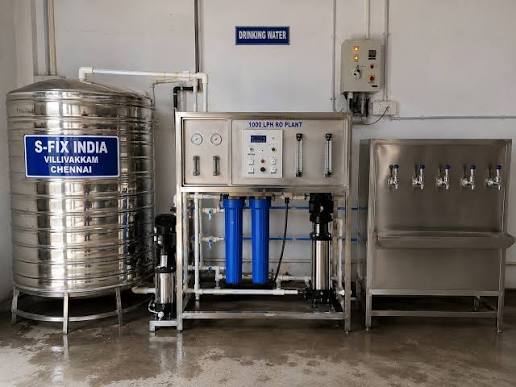
    Different technologies target different problems. Activated carbon filters, for example, can reduce chlorine and certain organic compounds. Sediment filters capture physical particles. Reverse osmosis can reduce many dissolved substances. Water softeners focus mainly on hardness minerals.

    If testing identifies specific contaminants, choose a treatment method that has been designed and verified for those substances.

    A big, expensive filtration system isn’t automatically better if it isn’t suited to the problem.

    Why Flow Matters More Than People Think

    A filter can have excellent specifications and still be a poor choice if it can’t keep up with your home’s demand.

    Imagine turning on a shower while someone starts the washing machine and another person fills the bathtub. Suddenly, the treatment system has a much bigger job to do.

    This is why water flow matters when choosing whole-house treatment.

    Flow rate is usually measured in gallons per minute or another comparable unit. The system needs to provide adequate treated water without creating excessive pressure loss.

    For a small household, the requirements may be modest. Larger families or commercial properties can have much higher peak demand.

    Average daily usage is useful, but peak demand is what can expose an undersized system.

    Choosing Between Filtration and Softening

    A common mistake is assuming that one system can solve every water issue.

    If your primary concern is mineral scale, a softener may be appropriate. If you’re worried about chlorine taste, carbon filtration could make more sense. If testing reveals a particular dissolved contaminant, a specialized treatment system may be necessary.

    Sometimes a combination is the best approach.

    For example, a home might use sediment filtration to protect downstream equipment, a softener to address hardness, and a point-of-use filter for drinking water.

    That sounds complicated, but a properly designed system can actually simplify things by giving each treatment stage a clear job.

    Don’t Buy Based on Marketing Alone

    Water treatment products often come with impressive-sounding descriptions.

    “Advanced purification.” “Ultra-filtration.” “Next-generation technology.”

    These phrases aren’t necessarily meaningless, but they don’t tell you enough by themselves.

    Look for specific information about what the system is designed to remove or reduce. Check available certifications and performance data. Ask how the system behaves at different flow rates and what maintenance is required.

    A trustworthy provider should be comfortable answering straightforward questions.

    If someone tells you that a single system removes “everything,” ask for specifics. Water chemistry is too complicated for vague promises.

    Maintenance Is Part of Water Treatment

    Installing a system is only the beginning.

    Filters need replacement. Softener systems require routine attention. Reverse osmosis membranes eventually need changing. Tanks, valves, pumps, and other components may also need inspection.

    Ignoring maintenance can reduce performance and shorten equipment life.

    Before purchasing, ask about replacement schedules and costs. Find out whether filters are readily available and whether routine service can be handled locally.

    It can be tempting to focus entirely on the initial purchase price. But water treatment is a long-term expense, and maintenance can make up a meaningful part of that cost.

    Protecting Your Appliances

    Water treatment isn’t only about making tap water taste better.

    If hard water is causing significant scaling, reducing hardness may help protect equipment that regularly heats or uses water. Coffee machines, dishwashers, water heaters, washing machines, and other appliances can all be affected by mineral deposits.

    That doesn’t mean treatment will make appliances last forever. Regular cleaning and maintenance still matter.

    But reducing avoidable buildup can make ownership easier and potentially reduce some maintenance demands over time.

    When Professional Help Makes Sense

    Some water problems are simple enough to handle with a basic filter. Others are not.

    If you notice persistent discoloration, unusual odors, recurring scale, or other changes, professional water testing can help identify what’s happening.

    For well water, more comprehensive testing may be especially important. If a test reveals a specific contaminant, it’s worth choosing treatment based on the test results rather than guessing.

    A good water-treatment professional should explain the findings in plain language and show how the recommended equipment addresses them.

    You shouldn’t need an advanced chemistry degree to understand what you’re buying.

    A Smarter Way to Improve Water Quality

    The best water-treatment decisions usually begin with curiosity rather than panic.

    Look at the signs your water is giving you. Test when appropriate. Understand the difference between hardness, sediment, dissolved substances, and other water-quality concerns.

    Then choose equipment that solves the problem you actually have.

    There’s no reason to install an elaborate system simply because it has more stages or a longer list of features. Likewise, choosing the cheapest filter available isn’t always a smart saving if it doesn’t perform adequately.

    Good water treatment is about balance.

    The right system should provide the quality you need, handle your household’s demand, fit your budget, and remain practical to maintain.

    Once that’s achieved, the benefits are wonderfully ordinary: cleaner fixtures, better-tasting water, fewer frustrating deposits, and appliances that aren’t fighting an unnecessary battle every day.

    Sometimes the best sign of a successful water-treatment system is that you stop thinking about it altogether. You turn on the tap, fill the glass, and get on with your day.

  • The Complete Moving Day Timeline for Portsmouth and Manchester Households

    The Complete Moving Day Timeline for Portsmouth and Manchester Households

    Most people underestimate how much of a successful house move happens before the actual day. By the time the van pulls up, the real work should already be done: the right company booked, access issues flagged, and belongings packed sensibly. What tends to cause chaos on moving day itself is almost always something left unresolved in the weeks before, whether that’s a ferry crossing booked without enough buffer time or a high-rise lift that turns out to need advance booking nobody arranged.

    This article sets out a practical, stage-by-stage timeline for planning a move in or around Portsmouth and Manchester, with attention to the details that matter specifically in each city.

    Six to Eight Weeks Before: Research and Early Commitments

    This is the stage where the biggest decisions get made, and it’s worth taking the time to get them right. Start by assessing your own move honestly: how many rooms, how much furniture, whether there’s a garage, loft, or shed that needs clearing, and whether anything requires special handling, like a piano or oversized wardrobe.

    Once you have a clear picture, begin requesting quotes from removals companies. Ask for a proper survey wherever possible, either in person or via video call, rather than settling for a rough phone estimate. This single step tends to prevent the most common source of frustration in the whole process: a quote that gets revised upward once the team actually arrives and sees the true scale of the job.

    Questions Worth Settling at This Stage

    • Does the quote include packing materials, or is this an additional cost?
    • What insurance covers goods in transit, and are there limits on compensation per item?
    • How many movers and what size vehicle will be allocated to your job?
    • Does the company have genuine experience with your specific property type or area?

    Booking early also means better access to preferred dates, particularly around weekends and month-end, both of which tend to fill up faster than midweek, mid-month slots.

    Four to Six Weeks Before: Handling Anything That Needs Lead Time

    By this point, your company and date should be confirmed. This is also the moment to deal with anything requiring advance planning, and this matters considerably for both cities, albeit for different reasons.

    Anyone arranging Removals Portsmouth UK support for a move involving the Isle of Wight should use this window to firm up ferry timing. Confirm with your removals company whether they’ve coordinated crossings before, and build in enough buffer time for potential loading delays, since missing a booked sailing can add hours to what should otherwise be a straightforward day.

    If you’re moving into or out of a Manchester high-rise, this is the point to contact building management directly. Confirm whether the lift needs booking in advance, what hours are permitted for deliveries and removals, and whether proof of insurance is required from your removals company before they’re granted access. Some buildings are strict about this and will turn a team away without the correct paperwork, so it’s far better to resolve this now than discover it on the day.

    A Checklist for This Stage

    1. Confirm ferry timing and buffer allowances if your Portsmouth move involves the Isle of Wight
    2. Contact building management if you’re moving into a managed Manchester apartment
    3. Begin collecting packing materials if these aren’t included in your quote
    4. Confirm insurance coverage for any high-value or unusual items

    Two to Four Weeks Before: Packing and Practical Groundwork

    With logistics largely resolved, attention turns to the physical work of packing. This period is also the best opportunity to declutter, since reducing the total volume of belongings typically lowers both the time required and, in many cases, the overall cost.

    If your Portsmouth move involves a narrow street around Old Portsmouth or Southsea, use this window to confirm with your removals company exactly how they plan to handle access, particularly if the van won’t be able to park directly outside the property. Similarly, anyone comparing Manchester Removal Services for a Victorian terrace should flag narrow hallways or steep staircases now, so the team can bring appropriate equipment like furniture straps or protective corner guards.

    Pack non-essential items first, working room by room and labelling boxes according to their destination in the new property rather than by category. This habit alone makes unpacking considerably faster and helps avoid the common problem of boxes piling up in whichever room has the most floor space.

    Items Worth Flagging Before the Final Weeks

    • Large furniture that might require disassembly to fit through doorways or around tight corners
    • Fragile or valuable items needing specialist wrapping
    • Anything stored in a garage, loft, or shed not previously mentioned
    • Electronics with complex wiring setups that will need careful reassembly

    One Week Before: Final Confirmations

    With the move now close, this is the week to verify every detail rather than assume it will all fall into place. Call your removals company to reconfirm timing, addresses, and any access arrangements discussed previously. If a ferry crossing was booked for a Portsmouth move, double-check the timing aligns with your actual moving schedule and allows enough buffer for loading delays.

    This is also the sensible point to prepare an essentials box: toiletries, chargers, medication, and a change of clothes, so your first night in the new home doesn’t involve searching through sealed boxes for basic necessities.

    Final Checks Before Moving Day

    • Confirm the removals company has your correct new address and any access instructions
    • Verify ferry or lift bookings align precisely with your actual move date
    • Set aside important documents separately from general packing
    • Photograph complicated cable arrangements before disconnecting electronics

    Moving Day Itself

    By the time moving day arrives, most of the substantial planning should already be complete. What matters now is clear, immediate communication: flagging any last-minute access issues, confirming where items should go in the new property, and staying available in case the team encounters something unexpected, whether that’s an awkward staircase or a parking complication.

    If something unforeseen comes up, whether a delayed ferry crossing or a lift out of service in a Manchester apartment block, address it directly and immediately with the team rather than hoping it resolves itself. Prompt communication tends to keep small hiccups from turning into genuine delays that push the whole day off schedule.

    Frequently Asked Questions

    How far in advance should I book removals for Portsmouth or Manchester?

    Aim for six to eight weeks where possible, with extra lead time if your move involves ferry coordination or a high-rise building requiring advance lift bookings.

    What should I confirm before a Portsmouth move involving the Isle of Wight?

    Confirm ferry timing with enough buffer for potential loading delays, and check whether your removals company has coordinated similar crossings before.

    What does building management typically require for a Manchester high-rise move?

    Common requirements include lift booking procedures, permitted moving hours, and proof of insurance from your removals company before granting access.

    How much should I declutter before packing?

    As much as realistically possible, since reducing volume tends to lower both moving time and overall cost.

    What’s worth preparing in the final week before moving day?

    An essentials box with toiletries, chargers, medication, and a change of clothes, so you’re not digging through sealed boxes on your first night.

    Should I remain present throughout the entire move?

    Yes, ideally. Staying available to answer questions about access, layout, and unusual items helps the team work efficiently and keeps the day running on schedule.

  • Building A Wealth  With Purpose, Patience & Clear Plan

    Building A Wealth  With Purpose, Patience & Clear Plan

    Investment is generally known to be a numbers game of market analysis and opportunity. Investment does not have anything to do with finding the ideal investment, but it is more about learning how to deal with money in the right manner. This is a very long process that is founded on wisdom, patience, and the ability to make decisions clearly without being ruled by emotions.

    No matter what a person’s goal might be- retirement savings, purchasing a home, gaining financial freedom, or just creating wealth – the core principles remain the same: knowing the purpose, knowing the risks, and having enough time to implement one’s strategy.

    Start With A Purpose, Not A Trend

    Prior to investing any funds into the investment, it is prudent to ask yourself the following question: Why am I going to invest?

    The objective of the investment will dictate the level of risk that you can bear along with the amount of time that you can keep your money invested. A person, including Delhi call girls planning on investing for something a few decades down the line, will certainly have a different attitude compared to someone expecting to require his money in the coming few years. This is why investment must start with the objective, not with the latest buzz.

    Understand the Difference Between Savings and Investing

    Savings and investment are both crucial but have distinct roles. The use of savings is often better where there is a possibility of needing money in the immediate future, especially in case of emergencies or planned short-term expenditures. Investments refer to the process of putting your money into items that will earn you profits.

    Investments can go up in value, earn interest or dividends; they could also fall in value. No returns are guaranteed, and it is an aspect of investments that one needs to accept. This knowledge is essential because it helps individuals to avoid using their savings to invest when they may need the money for daily use.

    Time Can Become Your Greatest Advantages

    One of the key concepts when it comes to investment is compounding. For Surat call girls exploring ways to grow their savings, understanding this concept can be especially useful. If the money stays invested, then future gains will be made not just on the initial capital but also on the gains achieved. Over time, this can create a situation where the effects of compounding will keep building up.

    What is crucial to understand is that compounding takes time. Attempting to get rich quickly may push one into taking risky actions and making emotionally driven decisions. By starting early, investing regularly, and leaving the money invested, one may create a sustainable route to success.

    Risk Is Part of the Equation

    There is no investment that can provide absolute safety from risks. Various types of investments involve various risks. Stocks can have volatile prices. Bonds can suffer from changes in interest rate conditions and from credit risk. Money might seem absolutely safe, but it might lose its value due to growing inflation.

    Therefore, the task is not always to eliminate the risks. The task is to recognize the risks. Chandigarh escorts, like any other investors, should calculate their capacity to absorb losses without changing the strategy during hard times. If one takes too many risks, he or she runs the risk of making poor decisions at a crucial moment.

    Final Thoughts:

    At the end of the day, investment means possibility. Financial gains can offer more options, help you plan for the future, and minimize reliance on only one income stream. However, money needs to work for you and not be the sole reason why you are living. Investing need not always mean complex matters.

    Start with the right goal. Know how much time you have. Acknowledge the existence of risk. Diversify. Make investments consistently when needed. Always continue learning, and do not make big calls just because the market is thrilling or scary. Most importantly, give your approach time. Wealth accumulation need not be the result of a brilliant move. It can be about consistently making intelligent moves while exercising discipline amid uncertainties.

  • Making Better Water Choices for a Healthier, More Comfortable Home

    Making Better Water Choices for a Healthier, More Comfortable Home

    Water is one of those things we tend to take for granted. It’s there every morning when the coffee starts brewing, every evening when the dishes are washed, and every time someone turns on the shower. Because it’s such a normal part of life, we rarely stop to think about it.

    Until something changes.

    Maybe the water starts tasting strange. Perhaps white marks appear around the faucet, soap doesn’t seem to work properly, or the shower glass develops stubborn mineral spots. These little issues can seem harmless at first, but when they happen every single day, they become hard to ignore.

    The good news is that homeowners have plenty of options for improving their water. The trick is understanding what the water needs before choosing a treatment system.

    Start With Your Household’s Needs

    Every home is different, and that includes its water.

    A family using municipal water may have completely different concerns from a household relying on a private well. Even two homes in the same neighborhood can experience different plumbing conditions, water usage, or treatment needs.

    That’s why residential solutions should be selected around the individual property rather than a generic checklist.

    Start by noticing what’s happening. Is there scale on your fixtures? Does the water have an unusual taste or odor? Are you seeing sediment in a glass? Do appliances seem to collect mineral buildup?

    These observations can help point you toward the right questions.

    Why Water Testing Is Worthwhile

    It’s tempting to choose a filter based purely on what sounds impressive.

    But water treatment works best when you know what you’re actually trying to treat.

    A water test can provide useful information about characteristics such as hardness, pH, minerals, and other factors, depending on the type of test performed. More specialized testing may be appropriate when there are specific concerns.

    This doesn’t mean every water problem is serious. Sometimes testing simply confirms that the issue is minor.

    Still, knowing what’s in your water is much better than guessing.

    It’s similar to fixing a car. You don’t replace every part under the hood because the engine sounds strange. You find out what’s wrong first.

    Understanding Water Treatment Options

    Modern water treatment includes a wide range of technologies, and each one has a particular purpose.

    Water softeners are commonly used for hardness. Carbon filters can help with certain taste and odor concerns. Sediment filters target particles, while reverse osmosis systems are often used for drinking-water applications.

    Whole-home systems can be useful when a water-quality concern affects several areas of the property.

    The important thing is to understand that these technologies aren’t interchangeable. A softener isn’t designed to solve every drinking-water concern, and a small drinking-water filter isn’t going to treat every gallon used in the house.

    Choosing based on the problem is the smarter approach.

    Hard Water Can Be More Than an Annoyance

    Hard water is a common reason homeowners start looking into treatment.

    Calcium and magnesium are naturally occurring minerals, but higher levels can contribute to scale buildup. That buildup can appear on faucets, showerheads, glass doors, and appliances.

    You may also notice that soap doesn’t lather as easily or that dishes come out of the dishwasher covered in spots.

    None of these problems necessarily happens all at once. They tend to creep into everyday life.

    You clean the faucet. The spots return. You scrub the shower door. A few days later, it’s cloudy again.

    Eventually, the question becomes less about cleaning and more about whether the water itself needs attention.

    Drinking Water Has Different Priorities

    Many homeowners are especially interested in improving the water they drink and cook with.

    Point-of-use systems can provide filtered water at a kitchen faucet without requiring treatment of the entire household supply. Reverse osmosis is another option often considered when homeowners want a more comprehensive approach to drinking-water filtration.

    The best option depends on the source water and the specific treatment goal.

    There is no prize for choosing the most complicated system. If a simpler technology handles the concern effectively, that may be the better choice.

    Water Quality Affects More Than Taste

    When people hear the phrase water quality, they often think about drinking water first.

    But household water touches almost everything.

    It goes through the water heater, dishwasher, washing machine, shower, faucets, and plumbing fixtures. The characteristics of that water can influence how these systems operate and how much maintenance they require.

    This doesn’t mean every water-quality issue will damage your appliances. It simply means water conditions are worth considering as part of overall home maintenance.

    Sometimes improving water is less about one dramatic problem and more about reducing a collection of everyday frustrations.

    Whole-Home or Point-of-Use?

    One of the biggest choices homeowners face is deciding how much water needs treatment.

    If your main concern is drinking and cooking water, a point-of-use system may be sufficient.

    If the same issue appears at multiple faucets, in showers, and around appliances, whole-home treatment may make more sense.

    Neither approach is automatically better.

    It depends on what you’re trying to accomplish.

    In some homes, a combination of systems can be practical. For example, whole-home treatment can address general water conditions while a dedicated drinking-water system provides additional filtration at the kitchen sink.

    Don’t Forget About Installation

    The equipment itself is only part of the equation.

    Installation needs to be handled properly so that the system fits the existing plumbing and operates as intended. Flow rates, water pressure, drain connections, available space, and future access for maintenance can all matter.

    This is especially important with larger systems.

    A professional installer can also explain how the equipment works and what to watch for after installation. That’s useful because even a great system can become frustrating if nobody explains how to maintain it.

    Maintenance Keeps the System Useful

    No water treatment system should be treated as completely “set it and forget it.”

    Filters need replacement. Certain systems need periodic servicing. Components can wear over time, and manufacturers usually provide maintenance recommendations.

    Because treatment equipment tends to work quietly, it’s easy to overlook these tasks.

    A simple reminder on your phone or calendar can make a big difference.

    Keep records of filter changes and service visits. If you notice a sudden change in taste, pressure, or performance, don’t ignore it. Small changes can sometimes be early signs that the system needs attention.

    Look at Long-Term Value

    The initial price isn’t the whole story.

    Consider installation costs, replacement filters, maintenance, operating requirements, and the expected life of the equipment.

    A cheap system may become expensive if replacement parts are frequent or difficult to find. Likewise, buying a highly complicated system when a simpler solution would work can add unnecessary expense.

    The best value is usually found somewhere in the middle: reliable equipment that addresses the actual problem and doesn’t demand more maintenance than you’re willing to provide.

    A Practical Way Forward

    Improving your home’s water doesn’t need to feel like a major scientific project.

    Start with the basics. Pay attention to what you’re seeing, tasting, and experiencing. Test the water when appropriate. Learn what different treatment technologies are designed to do, and ask questions before making a purchase.

    Most importantly, choose a solution around your home’s actual needs.

    Good water treatment should make everyday life easier, not give you another complicated system to worry about.

    When the right equipment is installed and maintained properly, the benefits can become almost invisible. Your glass fills normally. Your shower feels better. Your fixtures stay cleaner. Your appliances get the water they’re designed to handle.

    And perhaps that’s the best outcome of all.

    You don’t spend your day thinking about the treatment system. You simply enjoy having water that works better for the way you live.

  • A Practical Guide to Better Water Quality at Home

    A Practical Guide to Better Water Quality at Home

    We use water all day without thinking much about it. It goes into the kettle in the morning, fills the shower, washes vegetables, cleans dishes, and ends up in the garden. Because it looks clear coming from the tap, it’s easy to assume everything is fine.

    But water can have issues that aren’t visible at all. Hardness, chlorine, sediment, unpleasant odors, minerals, and other impurities can affect how water tastes, feels, and behaves around the house. Sometimes the problem is obvious, like white scale around a faucet. Other times, you may only notice that your skin feels dry or your glasses never seem completely clean.

    Improving your home’s water doesn’t have to mean buying the most expensive equipment available. The smarter approach is understanding the problem first, then choosing treatment that actually fits your needs.

    Start by Understanding Your Water

    Before choosing a treatment system, take a step back and consider where your water comes from.

    Municipal water and private well water can have very different characteristics. Public supplies are treated and monitored, but that doesn’t mean every household experiences exactly the same water quality. Plumbing, local conditions, and the age of a home’s pipes can all influence what eventually comes out of the tap.

    Private wells require even more attention because homeowners are responsible for monitoring their own supply. Changes in taste, odor, color, or staining can be useful clues, but they don’t tell you everything.

    Testing is often the best place to begin. Instead of guessing why your water feels different, you’ll have actual information to work with.

    Hard Water Is More Than an Annoyance

    Hard water is one of the most common household water problems. It usually contains elevated levels of calcium and magnesium. These minerals aren’t necessarily something you can see floating in the glass, but they can leave a very noticeable trail around your home.

    White spots on shower doors? Mineral deposits. A crusty faucet aerator? Often the same story. Soap that refuses to lather properly can also be associated with hard water.

    Over time, scale can build up inside water heaters, pipes, fixtures, and appliances. That can affect efficiency and create extra maintenance work.

    This is where water softeners can make a practical difference. A properly sized softener can reduce hardness minerals before the water travels through your plumbing, helping control scale and making everyday cleaning easier.

    Of course, a softener isn’t a universal filter. It is designed primarily for hardness, which is why testing first still matters.

    When You Need More Than a Softener

    Here’s an important distinction that often gets overlooked: softening water and filtering water aren’t the same thing.

    A softener targets hardness minerals. A filtration system may address sediment, chlorine, certain odors, or other specific substances, depending on the technology used.

    If your water has several different issues, you may need a combination of treatment methods. For example, someone might have hard water throughout the house but prefer additional filtration for drinking water.

    That’s where whole home filtration can be worth considering. Instead of treating water only at one faucet, a whole-home system is installed so treated water can be distributed throughout the property.

    That means the water used for showers, laundry, cooking, and cleaning can all receive the intended treatment. It’s a bigger investment than a simple point-of-use filter, so the actual water problem should justify it.

    Don’t Ignore Taste and Odor

    Sometimes water isn’t technically unpleasant because of hardness or visible sediment. The issue is simply that it smells or tastes strange.

    Chlorine, for example, can create a noticeable swimming-pool-like smell or taste in some water supplies. Organic materials and other substances can also affect flavor and odor.

    Activated carbon filtration is commonly used to reduce chlorine and improve certain taste and odor concerns. But again, the right filter depends on what’s actually causing the problem.

    If you’ve recently moved into a home and immediately noticed that the water tastes different from what you’re used to, don’t automatically assume it’s unsafe. Different water supplies have different characteristics. Still, unusual changes deserve attention, especially when they appear suddenly.

    What About Drinking Water?

    Many homeowners focus on shower water because that’s where hard water and chlorine are often easiest to notice. Drinking water deserves equal attention, though.

    A point-of-use system, such as an under-sink filter or reverse osmosis unit, can be useful when the main concern is the quality of drinking and cooking water rather than every gallon used in the house.

    Reverse osmosis can remove a broad range of dissolved substances, but it isn’t always necessary. It also produces wastewater and requires regular maintenance. For some households, a simpler filtration system may be perfectly adequate.

    The key is matching the technology to the problem rather than assuming more filtration automatically means better water.

    Testing Makes the Decision Easier

    It’s tempting to search online, read a few reviews, and order a treatment system within ten minutes. We’ve all done something similar with household purchases.

    Water is different, though.

    water quality can vary significantly from one property to another, even within the same neighborhood. A neighbor’s successful treatment system isn’t necessarily the right solution for your home.

    A water test can provide useful information about hardness, pH, iron, manganese, chlorine, bacteria, nitrates, and other characteristics, depending on the type of testing performed.

    For private wells, periodic testing is especially important. Testing after flooding, well repairs, or noticeable changes in taste or appearance can also be sensible.

    Maintenance Matters More Than Most People Think

    Installing treatment equipment is only half the job. Filters need replacement. Softener salt needs replenishing when applicable. Tanks and other components may require servicing.

    A neglected system can become less effective over time, and in some cases, poor maintenance can create new problems.

    Keep a simple maintenance schedule. Write down filter replacement dates, testing results, and service appointments. It sounds boring, but five minutes of organization can save a headache later.

    Make Water Treatment a Thoughtful Choice

    There isn’t one perfect water treatment system for every home. Your water source, plumbing, household needs, budget, and test results all matter.

    The best starting point is surprisingly simple: pay attention. If you notice scale, strange odors, staining, changes in taste, or other unusual signs, investigate rather than guessing.

    Good water treatment isn’t about making water complicated. It’s about understanding what comes through your tap and using the right solution for the job. Once you know what’s actually in your water, choosing between a softener, filtration system, drinking-water filter, or combination approach becomes much less confusing.

    And that’s really the goal — not simply having more equipment under the sink, but having water that works better for your home, your appliances, and your everyday life.

  • Water Softeners: Installation, Repairs, and What Homeowners Should Know

    Water Softeners: Installation, Repairs, and What Homeowners Should Know

    Hard water is one of those household problems that can sneak up on you. At first, you may only notice a few white spots on the faucet or a little buildup around the showerhead. Then the dishes look cloudy, soap doesn’t seem to lather properly, and the water heater starts collecting mineral scale.

    If that sounds familiar, a water softener may be worth considering. But buying a unit is only the beginning. Proper installation, regular maintenance, and timely repairs all play a role in keeping the system working effectively.

    What Exactly Is Hard Water?

    Hard water contains higher concentrations of minerals, particularly calcium and magnesium. These minerals aren’t usually considered harmful at typical household levels, but they can create plenty of practical problems.

    Over time, mineral deposits can accumulate inside pipes, faucets, showerheads, water heaters, dishwashers, and washing machines. You may also notice that soap leaves a film on bathroom surfaces or that laundry feels stiff after washing.

    The severity of the problem varies from one property to another. That’s why testing your water before purchasing treatment equipment is a sensible first move.

    How Water Softeners Work

    Traditional water softeners typically use an ion-exchange process to reduce calcium and magnesium from the water.

    The system contains resin beads that attract hardness minerals. Eventually, those beads become saturated and need to be regenerated, usually with a salt-based regeneration process.

    Once properly installed and maintained, a softener can help reduce scale buildup and make everyday cleaning easier.

    However, it’s important to understand what a softener does—and what it doesn’t do. A water softener is primarily designed to address hardness. It isn’t a universal filtration or purification system for every possible water-quality concern.

    When Water Softener Installation Makes Sense

    If testing confirms that your household water is significantly hard, water softener installation can be a practical long-term solution.

    The system is generally installed where the main water supply enters the property so that treated water can reach multiple fixtures and appliances. Installation also needs to account for factors such as available space, drainage, water pressure, plumbing configuration, and the type and size of the softener.

    Sizing matters more than many homeowners realize. A system that’s too small may require frequent regeneration, while an unnecessarily large unit can increase upfront and operating costs.

    A professional installer can evaluate household water usage and hardness levels before recommending an appropriately sized system.

    Why Professional Installation Is Worth Considering

    It can be tempting to treat a water softener like another DIY appliance. But installation involves more than connecting a couple of pipes.

    The unit needs to be correctly integrated into the plumbing system, and the regeneration cycle may require a proper drain connection. Incorrect installation can lead to leaks, poor performance, or unnecessary strain on the equipment.

    Professional installation can also help ensure that bypass valves, controls, and other components are set up correctly.

    A good installer should explain how the system works and show you the basic maintenance steps before leaving.

    Signs Your Softener May Need Repair

    Even a quality system won’t last forever without maintenance. If you start noticing scale returning around faucets, changes in water quality, unusual noises, or problems with regeneration, the system may need attention.

    Other warning signs can include excessive salt consumption, standing water around the equipment, error messages on electronic controls, or water that suddenly feels different.

    This is where water softener repair can often restore performance without replacing the entire unit.

    The cause might be something relatively simple, such as a clogged injector, faulty valve, worn seal, incorrect settings, or a problem with the brine system. In other cases, an aging component may need replacement.

    Don’t Immediately Replace the Whole System

    When a water softener stops working properly, homeowners sometimes assume the entire unit has reached the end of its life.

    That’s not necessarily true.

    A technician can inspect the system and determine whether the issue is repairable. If the resin tank, control valve, or another major component is severely worn, replacement may make more financial sense. But if the problem is limited to a smaller component, a repair could extend the life of the existing system.

    The right choice depends on the equipment’s age, condition, repair cost, and expected remaining service life.

    Maintenance Helps Prevent Problems

    Regular maintenance can make a noticeable difference in softener performance.

    For salt-based systems, homeowners should monitor salt levels and follow the manufacturer’s recommendations for cleaning and servicing. Avoid allowing the brine tank to become neglected or heavily encrusted with salt.

    It’s also wise to check the area around the softener occasionally for leaks or moisture. Small leaks are much easier to deal with than water damage that has been developing unnoticed for months.

    If your system has electronic controls, make sure the settings still match your household’s needs.

    Choosing the Right Water Softener

    Not every home needs the same type or size of softener.

    Consider your water hardness, household size, daily water consumption, available installation space, maintenance preferences, and operating costs. A professional water test can provide useful information before you make a purchase.

    It’s also worth thinking beyond the initial price. Salt consumption, replacement parts, service requirements, and expected lifespan all contribute to the true cost of ownership.

    The cheapest unit isn’t always the least expensive option over several years.

    Better Water Starts With the Right Equipment

    A properly selected and maintained softener can make everyday household life a little easier. Less mineral buildup can mean cleaner fixtures, more efficient water-using appliances, and less time spent scrubbing stubborn scale.

    Whether you’re considering water softener installation, troubleshooting an existing system, or arranging water softener repair, start with the actual condition of your water and equipment.

    A water softener shouldn’t be chosen simply because a neighbor has one or because an advertisement promises perfect water. Test first, choose carefully, install it correctly, and keep up with maintenance.

    That’s the less glamorous side of water treatment—but it’s usually what makes the biggest difference in the long run.

  • How a Water Softener Can Make Everyday Water Better

    How a Water Softener Can Make Everyday Water Better

    There’s a funny thing about water in a home: you usually don’t think about it until it starts causing problems. Maybe the shower glass develops cloudy marks that never seem to disappear. Your soap doesn’t lather quite right. The kitchen faucet gets a chalky ring around its base, or the washing machine seems to work harder than it should. These small annoyances can be signs of hard water, and over time, they can become more than just cosmetic issues.

    Hard water is common in many parts of the world, including areas where groundwater contains naturally occurring calcium and magnesium. These minerals aren’t usually something to panic about, but they can leave deposits throughout a plumbing system. That’s where understanding your home’s water quality becomes useful. Instead of guessing what’s happening, homeowners can identify the cause and choose a solution that actually fits their needs.

    What Makes Water “Hard”?

    Hard water contains higher levels of dissolved minerals, mainly calcium and magnesium. As water moves through soil and rock, it naturally picks up these minerals before entering wells, municipal systems, or other water sources.

    You might notice hard water through everyday clues. Shampoo may feel difficult to rinse away. Glassware can come out of the dishwasher with spots. White scale may appear around faucets, showerheads and appliances that use heated water.

    None of these signs necessarily means your water is unsafe. Hard water is more of a household management problem in many cases. Still, knowing exactly what is in your water matters, especially if you’re dealing with additional concerns such as iron, chlorine, sediment or other contaminants.

    Why Hard Water Can Become a Household Headache

    The biggest frustration with hard water is scale buildup. When mineral-rich water is heated or allowed to evaporate, calcium deposits can remain behind. Over time, those deposits may collect inside pipes, fixtures, water heaters and appliances.

    Think about your kettle at home. If you’ve ever seen a crusty white layer forming inside it, you’ve already seen a simple version of what mineral buildup can look like.

    A water softener can help address hardness by reducing calcium and magnesium ions in the water supply. The result is often noticeable in routine household tasks. Soap may rinse more easily, surfaces can be easier to clean, and appliances may have less mineral scale to deal with.

    It’s not a magic solution for every water problem, though. A softener is designed primarily for hardness. If your water also has a strong odor, unusual color, sediment or specific chemical contaminants, another type of treatment may be necessary.

    Start With Knowing What’s Actually in Your Water

    Before buying equipment, it makes sense to find out what you’re treating. Water can look perfectly clear while containing minerals or other substances that aren’t visible to the naked eye.

    A free water test can be a practical first step for homeowners who want a basic understanding of their water quality. Testing may help identify hardness and point toward other potential issues that deserve closer attention.

    The important part is not simply getting a test result and putting it in a drawer. Use the information to understand what your household actually needs. For example, a home with moderately hard water may require a different approach than a property dealing with extremely hard well water and iron.

    If you’re unsure how to interpret the results, ask a qualified water-treatment professional to explain them in plain language. Good advice shouldn’t leave you feeling like you need a chemistry degree just to understand your own tap water.

    Soft Water Can Make Cleaning Feel Different

    One of the first changes people notice after addressing hard water is how cleaning feels. Soap and detergent can work differently when they aren’t interacting with as much calcium and magnesium.

    In bathrooms, this may mean less stubborn mineral residue on shower doors and fixtures. In the laundry room, some households find that clothes feel cleaner or softer. Dishwashers may also experience less scale accumulation.

    Of course, results vary depending on the hardness level, water chemistry and equipment. There’s no need to promise that every water stain will disappear overnight. Homes still need regular cleaning. But reducing the minerals responsible for scale can make keeping things tidy considerably less frustrating.

    And honestly, fewer white spots around the faucet is a small victory worth appreciating.

    Protecting Appliances From Mineral Buildup

    Water heaters, dishwashers, washing machines and other water-using appliances aren’t cheap. Anything that helps reduce unnecessary mineral accumulation can be worth considering as part of normal home maintenance.

    Hardness is especially relevant to water heaters because heating water encourages mineral deposits to form. Over time, buildup can affect efficiency and contribute to maintenance concerns.

    A properly selected treatment system can reduce the amount of hardness entering the home. However, installation and settings matter. An improperly sized unit may not perform as expected, while poor maintenance can reduce its effectiveness.

    This is one reason professional assessment can be useful. Your household’s water use, incoming water quality and plumbing setup all influence what equipment makes sense.

    Maintenance Still Matters

    Installing a treatment system doesn’t mean you can forget about it forever. Like an air conditioner, water heater or refrigerator, water-treatment equipment needs attention from time to time.

    Salt-based softeners, for instance, require appropriate salt levels and periodic cleaning. Other systems may need filter replacements, inspections or adjustments. Ignoring maintenance can eventually affect performance.

    That’s why ongoing service can be just as important as the initial installation. Regular checks can help identify problems before they turn into bigger repairs, while routine maintenance keeps the system working closer to how it was designed.

    If a company provides installation, ask what maintenance is included, what isn’t, and how often the equipment should be inspected. Clear answers upfront are always better than unpleasant surprises later.

    Choosing the Right Water Treatment Approach

    Not every household needs the same water solution. Some homes may benefit from a basic softening system, while others may need a combination of filtration and conditioning technologies.

    Start by looking at the water itself rather than choosing equipment because a neighbor has the same model. Your water source, hardness level, household size, plumbing configuration and specific water concerns all matter.

    It’s also worth thinking beyond the purchase price. Consider installation, maintenance, replacement parts, salt or filter requirements and the expected lifespan of the equipment. The cheapest option isn’t necessarily the least expensive one over several years.

    A reputable professional should be willing to explain the reasoning behind a recommendation instead of simply handing you a product brochure.

    Better Water Starts With Better Information

    Water quality isn’t something homeowners need to obsess over, but it shouldn’t be ignored either. If you’ve noticed scale, spots, poor soap performance or other changes in your water, take them seriously enough to investigate.

    Testing the water is a sensible starting point. From there, you can decide whether softening, filtration or another treatment makes sense for your home.

    The goal isn’t to create perfect water for the sake of it. It’s to have water that works well for your household, protects the things it touches and gives you fewer annoying problems to deal with every week. Sometimes, the smartest home improvement is the one you barely notice—because everything simply works a little better.