There’s a funny thing about water in a home: you usually don’t think about it until it starts causing problems. Maybe the shower glass develops cloudy marks that never seem to disappear. Your soap doesn’t lather quite right. The kitchen faucet gets a chalky ring around its base, or the washing machine seems to work harder than it should. These small annoyances can be signs of hard water, and over time, they can become more than just cosmetic issues.
Hard water is common in many parts of the world, including areas where groundwater contains naturally occurring calcium and magnesium. These minerals aren’t usually something to panic about, but they can leave deposits throughout a plumbing system. That’s where understanding your home’s water quality becomes useful. Instead of guessing what’s happening, homeowners can identify the cause and choose a solution that actually fits their needs.
What Makes Water “Hard”?
Hard water contains higher levels of dissolved minerals, mainly calcium and magnesium. As water moves through soil and rock, it naturally picks up these minerals before entering wells, municipal systems, or other water sources.
You might notice hard water through everyday clues. Shampoo may feel difficult to rinse away. Glassware can come out of the dishwasher with spots. White scale may appear around faucets, showerheads and appliances that use heated water.
None of these signs necessarily means your water is unsafe. Hard water is more of a household management problem in many cases. Still, knowing exactly what is in your water matters, especially if you’re dealing with additional concerns such as iron, chlorine, sediment or other contaminants.
Why Hard Water Can Become a Household Headache
The biggest frustration with hard water is scale buildup. When mineral-rich water is heated or allowed to evaporate, calcium deposits can remain behind. Over time, those deposits may collect inside pipes, fixtures, water heaters and appliances.
Think about your kettle at home. If you’ve ever seen a crusty white layer forming inside it, you’ve already seen a simple version of what mineral buildup can look like.
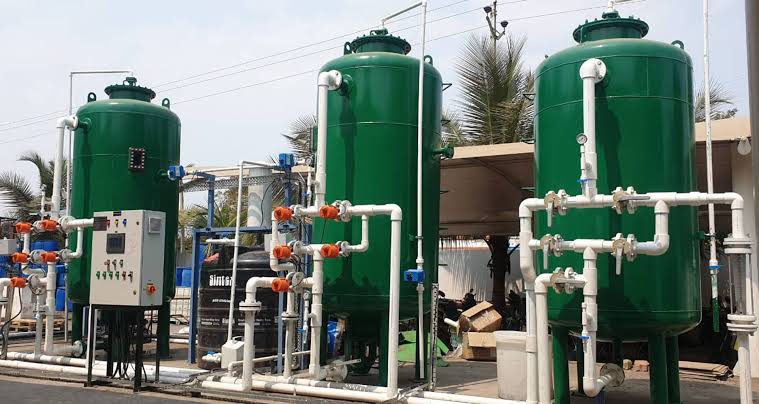
A water softener can help address hardness by reducing calcium and magnesium ions in the water supply. The result is often noticeable in routine household tasks. Soap may rinse more easily, surfaces can be easier to clean, and appliances may have less mineral scale to deal with.
It’s not a magic solution for every water problem, though. A softener is designed primarily for hardness. If your water also has a strong odor, unusual color, sediment or specific chemical contaminants, another type of treatment may be necessary.
Start With Knowing What’s Actually in Your Water
Before buying equipment, it makes sense to find out what you’re treating. Water can look perfectly clear while containing minerals or other substances that aren’t visible to the naked eye.
A free water test can be a practical first step for homeowners who want a basic understanding of their water quality. Testing may help identify hardness and point toward other potential issues that deserve closer attention.
The important part is not simply getting a test result and putting it in a drawer. Use the information to understand what your household actually needs. For example, a home with moderately hard water may require a different approach than a property dealing with extremely hard well water and iron.
If you’re unsure how to interpret the results, ask a qualified water-treatment professional to explain them in plain language. Good advice shouldn’t leave you feeling like you need a chemistry degree just to understand your own tap water.
Soft Water Can Make Cleaning Feel Different
One of the first changes people notice after addressing hard water is how cleaning feels. Soap and detergent can work differently when they aren’t interacting with as much calcium and magnesium.
In bathrooms, this may mean less stubborn mineral residue on shower doors and fixtures. In the laundry room, some households find that clothes feel cleaner or softer. Dishwashers may also experience less scale accumulation.
Of course, results vary depending on the hardness level, water chemistry and equipment. There’s no need to promise that every water stain will disappear overnight. Homes still need regular cleaning. But reducing the minerals responsible for scale can make keeping things tidy considerably less frustrating.
And honestly, fewer white spots around the faucet is a small victory worth appreciating.
Protecting Appliances From Mineral Buildup
Water heaters, dishwashers, washing machines and other water-using appliances aren’t cheap. Anything that helps reduce unnecessary mineral accumulation can be worth considering as part of normal home maintenance.
Hardness is especially relevant to water heaters because heating water encourages mineral deposits to form. Over time, buildup can affect efficiency and contribute to maintenance concerns.
A properly selected treatment system can reduce the amount of hardness entering the home. However, installation and settings matter. An improperly sized unit may not perform as expected, while poor maintenance can reduce its effectiveness.
This is one reason professional assessment can be useful. Your household’s water use, incoming water quality and plumbing setup all influence what equipment makes sense.
Maintenance Still Matters
Installing a treatment system doesn’t mean you can forget about it forever. Like an air conditioner, water heater or refrigerator, water-treatment equipment needs attention from time to time.
Salt-based softeners, for instance, require appropriate salt levels and periodic cleaning. Other systems may need filter replacements, inspections or adjustments. Ignoring maintenance can eventually affect performance.
That’s why ongoing service can be just as important as the initial installation. Regular checks can help identify problems before they turn into bigger repairs, while routine maintenance keeps the system working closer to how it was designed.
If a company provides installation, ask what maintenance is included, what isn’t, and how often the equipment should be inspected. Clear answers upfront are always better than unpleasant surprises later.
Choosing the Right Water Treatment Approach
Not every household needs the same water solution. Some homes may benefit from a basic softening system, while others may need a combination of filtration and conditioning technologies.
Start by looking at the water itself rather than choosing equipment because a neighbor has the same model. Your water source, hardness level, household size, plumbing configuration and specific water concerns all matter.
It’s also worth thinking beyond the purchase price. Consider installation, maintenance, replacement parts, salt or filter requirements and the expected lifespan of the equipment. The cheapest option isn’t necessarily the least expensive one over several years.
A reputable professional should be willing to explain the reasoning behind a recommendation instead of simply handing you a product brochure.
Better Water Starts With Better Information
Water quality isn’t something homeowners need to obsess over, but it shouldn’t be ignored either. If you’ve noticed scale, spots, poor soap performance or other changes in your water, take them seriously enough to investigate.
Testing the water is a sensible starting point. From there, you can decide whether softening, filtration or another treatment makes sense for your home.
The goal isn’t to create perfect water for the sake of it. It’s to have water that works well for your household, protects the things it touches and gives you fewer annoying problems to deal with every week. Sometimes, the smartest home improvement is the one you barely notice—because everything simply works a little better.