Most of us turn on the tap without giving it a second thought. Water fills the kettle, washes vegetables, and runs through the shower every morning. It’s one of those everyday comforts we tend to take for granted until something changes. A strange taste, rusty marks around the sink, or a worrying news report about drinking water can quickly make us wonder what is actually coming through our pipes.
Some water quality problems are easy to spot. Others are much harder to recognise because the water may look perfectly clear and have no unusual smell at all. Knowing the difference matters, especially when the concern involves substances that can affect health over time.
The good news is that homeowners don’t have to guess their way through every water concern. Understanding common contaminants, arranging suitable testing, and choosing treatment based on reliable results can make the process far less confusing.
When Rust-Coloured Stains Tell a Story
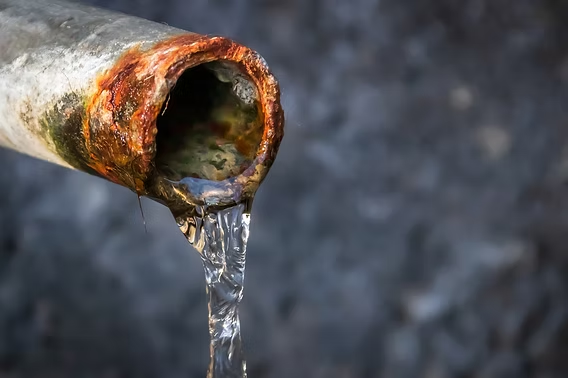
Have you noticed reddish-brown marks inside a toilet bowl, around a bathroom tap, or along the edge of a white sink? These stubborn iron/rust stains are often associated with iron in the water or corrosion somewhere in the plumbing system. They can make an otherwise clean bathroom look neglected, even when you’re scrubbing regularly.
Iron may enter water naturally as it moves through soil and rock. It can also come from corroding pipes, fittings, or storage equipment. In some cases, manganese contributes to dark brown or black staining. The appearance offers a clue, but it doesn’t identify the exact cause.
A basic water test can measure iron and manganese levels and help determine whether treatment is worthwhile. Depending on the results, options may include sediment filtration, oxidation followed by filtration, or a specialised iron-removal system. The right choice depends on the concentration, water chemistry, and whether the metals are dissolved or present as particles.
It’s tempting to attack the stains with stronger cleaning products and call the problem solved. That may improve the appearance of your fixtures, but it won’t address the source of the staining. If the problem has appeared suddenly, affects several taps, or is accompanied by discoloured water, investigate the supply or plumbing before investing in treatment equipment.
Understanding PFAS in Drinking Water
Some water concerns receive less attention because there’s nothing obvious to see. PFAS, short for per- and polyfluoroalkyl substances, are a large group of human-made chemicals used in certain industrial processes and products, including some water-resistant and stain-resistant materials.
These chemicals are sometimes called “forever chemicals” because many break down very slowly in the environment. Certain PFAS have been associated with adverse health effects, and research continues to examine the risks posed by different compounds and levels of exposure.
The possibility of pfas in drinking water is worth understanding, particularly for households near industrial facilities, airports, firefighting training areas, or locations with known contamination. However, living near one of these places doesn’t automatically mean your water is contaminated. Testing is needed to establish whether PFAS are present.
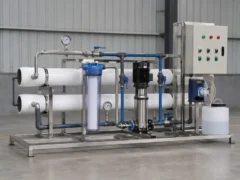
Treatment can be effective when the system is designed for the specific compounds and water conditions involved. Activated carbon, reverse osmosis, and certain ion-exchange technologies may reduce particular PFAS, but performance varies. Certification, maintenance, and correct installation all matter.
Before buying a filter, check whether the product has independently verified performance for the PFAS of concern. A label that simply says “water purifier” isn’t enough. Also, remember that filters need proper replacement; an overlooked cartridge can undermine the protection you expected.
The Risks Associated With Older Pipes
A home’s plumbing can affect water quality even when the original supply is treated properly. Water may pick up metals as it travels through pipes, solder, fittings, or fixtures, particularly where materials are old or corroded.
The concern surrounding lead/aging pipes deserves special attention because lead exposure can harm health, and children are particularly vulnerable. Lead may enter drinking water through service lines, older plumbing components, or certain fixtures. It generally cannot be identified reliably by looking at, smelling, or tasting the water.
The age of a building can help indicate whether older plumbing materials might be present, but it isn’t proof of contamination. Plumbing systems are often modified over the years, and materials can differ from one property to another.
If lead is a possibility, arrange testing through a qualified laboratory or local water authority. Ask about sampling procedures because lead concentrations can vary depending on where and how water is collected. If results confirm a concern, follow public-health guidance about safe drinking and cooking water while a longer-term solution is arranged.
Replacing a confirmed lead service line or affected plumbing may be necessary. A properly selected filter certified for lead reduction can provide an additional or interim measure, but it shouldn’t replace professional advice about the underlying plumbing problem.
Why Testing Should Come Before Treatment
Water treatment is not a one-size-fits-all purchase. A system designed to reduce iron may do little to address PFAS, while a standard carbon filter may not adequately remove dissolved metals under every condition.
Testing helps narrow the options. Depending on your source and local conditions, a laboratory may recommend checking for metals, microbial contamination, nitrate, fluoride, or other substances. Private wells and borewells can require particular attention because their quality may change with rainfall, nearby land use, or groundwater conditions.
If you receive municipal water, start by reviewing the supplier’s water-quality information and asking about any recent advisories. If you notice a sudden change in colour, taste, or smell, report it rather than assuming the problem is harmless.
Home testing kits can be useful for preliminary checks, but they don’t all measure the same things or provide the same level of accuracy. For health-related concerns, especially possible lead or PFAS contamination, use a qualified laboratory and follow its sampling instructions carefully.
Choosing a Filter That Actually Helps
Once you understand the problem, compare treatment systems based on their verified capabilities rather than broad advertising claims.
Activated carbon can improve taste and reduce certain organic chemicals. Reverse osmosis can reduce many dissolved contaminants, depending on the system and operating conditions. Specialised filtration or oxidation systems may help with iron and manganese. No single technology reliably removes every possible contaminant.
Look for independent certification relevant to the substance you need to reduce. Check the rated capacity, replacement-filter cost, maintenance schedule, and availability of genuine cartridges. A system that performs well but is too expensive to maintain may not be the best long-term choice.
Installation matters, too. A poorly fitted system can leak, perform below its rated capability, or create new maintenance issues. If your water has several confirmed problems, a qualified water-treatment professional can help determine whether a combination of technologies is appropriate.
Everyday Steps Worth Taking
You don’t need to become a water-quality specialist overnight. Keep track of changes in your tap water, maintain storage tanks, repair leaking plumbing, and replace treatment cartridges on schedule. If you use a private well, follow local recommendations for routine testing and retest after flooding or other events that could affect the source.
Be cautious about claims that promise to remove every contaminant or guarantee perfect water without testing. Good decisions start with evidence, not fear.
A More Confident Approach to Safer Water
Water problems can be frustrating because the cause isn’t always obvious. Rust-coloured stains may point towards minerals or corrosion, while PFAS and lead require a different kind of investigation. Each concern deserves an appropriate response rather than a quick fix chosen from an advertisement.
Start with the source, test when necessary, and select equipment that addresses the actual results. With a little patience and sensible maintenance, you can protect your household more effectively and spend money where it genuinely makes a difference. Clean-looking water is reassuring, but informed decisions are what provide real confidence.