You probably don’t think much about the water coming from your kitchen tap until something looks wrong. Maybe the bathroom sink develops an orange mark that won’t disappear, your drinking water suddenly looks hazy, or your laundry comes out with unusual stains. These problems can be frustrating, especially when regular cleaning doesn’t seem to help.
The thing is, water can reveal a lot about what’s happening inside your plumbing system. Changes in its appearance, smell, or taste sometimes point to harmless mineral deposits, but they can also signal a problem that deserves attention. Knowing what to look for can help you decide when a simple cleaning routine is enough and when it’s time to investigate further.
Understanding the Signs of Water Problems
Water doesn’t always look the same from one home to another. Its appearance depends on the source, the plumbing materials, the treatment process, and the substances dissolved or suspended in it.
For example, groundwater may naturally contain iron, manganese, calcium, and other minerals. Older plumbing can introduce particles into the supply, while maintenance work on municipal pipes may temporarily disturb sediment. Even a small change in pressure can affect how water looks when it first comes out of the tap.
A sudden change shouldn’t automatically be dismissed as normal. If the water develops an unusual colour, unpleasant odour, or unexpected taste, pay attention to when it started and whether the problem affects one fixture or the entire property.
These details can help narrow down the possible cause. More importantly, they can help you explain the situation clearly to a plumber, water supplier, or testing laboratory.
What Rust-Coloured or Blue-Green Marks May Mean
Have you ever cleaned a sink thoroughly, only to find orange or greenish stains returning a few days later? It’s easy to assume that the problem comes from poor cleaning, but the water itself may be contributing.
Orange, reddish-brown, or yellowish deposits can be associated with iron in water or corrosion within plumbing. Blue-green marks may indicate copper corrosion, particularly around faucets, drains, and areas where water regularly sits.
These rust or blue-green staining patterns are useful clues, but they’re not definitive proof of what’s happening. Cleaning products, surface materials, and other minerals can also influence the appearance of deposits.
Start by checking whether the marks appear near a single tap or throughout the house. If they’re concentrated around one fixture, the issue may be localised. If several fixtures are affected, the water supply or wider plumbing system may need attention.
Avoid repeatedly scrubbing delicate surfaces with harsh chemicals. Abrasive cleaners can damage finishes, while unsuitable acidic products may harm natural stone and certain metals. Follow the manufacturer’s cleaning recommendations, and investigate the underlying cause if the staining keeps returning.
If copper contamination is suspected, testing is particularly important because elevated copper levels can affect drinking-water safety.
Why Water Sometimes Looks Cloudy
A glass of water that looks milky or hazy can be unsettling, especially when you’re about to drink it. Fortunately, there are several possible explanations, and some are harmless.
Tiny air bubbles are a common cause. They can enter water under pressure and make it appear white when it first reaches the tap. Leave the glass undisturbed for a short while. If the water gradually clears from the bottom upward, trapped air is a likely explanation.
However, cloudy water can also result from suspended particles, disturbed sediment, plumbing work, or other changes in the supply. Unlike harmless air bubbles, these causes may require investigation.
Pay attention to any accompanying symptoms. A strange smell, unusual colour, visible particles, or a sudden change affecting several taps deserves more caution than brief cloudiness that clears consistently.
If the water remains cloudy or its cause is uncertain, avoid assuming it’s safe to drink. Use a known-safe alternative while you contact your water supplier or arrange appropriate testing. Boiling can kill many disease-causing microorganisms, but it doesn’t remove metals or most chemical contaminants and may concentrate some dissolved substances.
When Water Problems Affect More Than Appearance
Not every water issue creates visible stains. Some substances are colourless and odourless, which means water can look perfectly clear without being suitable for every purpose.
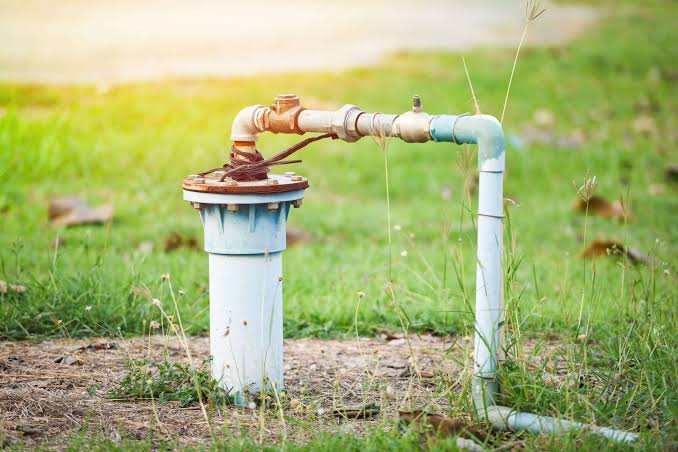
Potential concerns vary depending on whether your home receives treated municipal water, uses a private borewell, or relies on another source. Depending on local conditions, testing may need to cover bacteria, nitrates, fluoride, arsenic, lead, or other substances.
These water quality issues shouldn’t be diagnosed by appearance alone. A clear glass doesn’t prove that water is safe, just as a temporary cloudy appearance doesn’t automatically mean it’s contaminated.
If you’re using a private groundwater source, periodic laboratory testing is a sensible precaution. Municipal customers can also check published water reports and contact their supplier when they notice unusual changes.
Testing should match the concern. A basic hardness test won’t identify every contaminant, and a simple household filter may not address the substance causing the problem. A qualified laboratory can help determine which tests are appropriate for your water source and location.
Choosing the Right Solution Instead of Guessing
Once you have a reasonable idea of the problem, choosing a solution becomes easier. The important thing is to match the treatment to the substance you need to address.
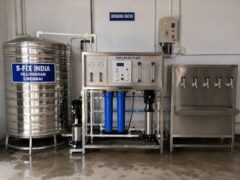
Water softeners can reduce calcium and magnesium, helping control hardness-related scale. Sediment filters can capture certain suspended particles, while activated carbon filters can reduce some substances that affect taste and odour. Reverse osmosis systems can reduce various dissolved contaminants when properly selected and maintained.
However, no single system removes everything. Equipment should be chosen according to verified test results, manufacturer specifications, and the intended use of the treated water.
It’s also worth considering installation costs, replacement filters, maintenance schedules, and the availability of local servicing. A system that looks affordable initially may become expensive if replacement parts are difficult to obtain.
Don’t rely solely on broad claims such as “complete purification” or “100% safe water.” Look for evidence that the particular system is effective against the contaminants you’re concerned about.
Small Checks That Can Make a Difference
Make a habit of noticing changes in your water, even if they seem minor. Check taps and showerheads for recurring deposits, inspect visible plumbing for corrosion, and keep track of any unusual changes in taste, smell, or colour.
After water supply interruptions or plumbing repairs, follow your supplier’s advice about flushing pipes before using the water normally. If a safety advisory has been issued, follow its instructions rather than relying on appearance alone.
When a problem persists, professional advice and appropriate testing are usually more useful than buying several different filters and hoping one works.
A Clearer Picture Starts With Better Information
Water problems can be inconvenient, but they don’t have to become an endless cycle of cleaning, guessing, and spending money on products that miss the point.
Look at the signs, consider where the problem occurs, and test the water when necessary. If you suspect contamination or notice a sudden unexplained change, take precautions until you understand what’s happening.
Ultimately, the goal isn’t simply to make water look clear. It’s to understand what’s in it, protect your plumbing and appliances, and make informed decisions about the water your household uses every day.