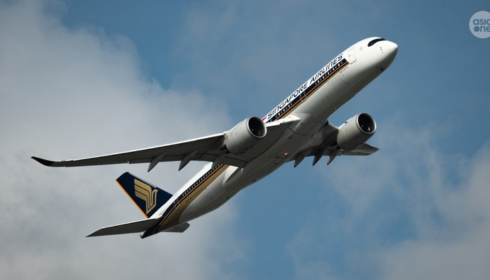
Building an annual travel plan around the national carrier’s network produces substantially better total savings than reactive booking. Malaysia Airlines cheap flights surface most consistently when bookings align with route-specific timing rather than chasing daily fare changes. The combination of route-specific timing, fare class selection, the Enrich loyalty programme, and proper platform choice combines into meaningful annual value for visitors flying MAS multiple times per year. Settling the planning approach matters more than individual booking decisions.
The Annual Calendar Framework
A typical Malaysian visitor making three to five MAS trips per year benefits most from annual calendar planning. Mapping likely trip windows against route-specific booking sweet spots produces stronger total savings than chasing daily fare changes. Each route has a specific window: short-haul ASEAN at 4-7 weeks before, medium-haul at 8-12 weeks, long-haul at 12-16 weeks.
Identifying Shoulder Week Windows
Three shoulder weeks consistently deliver the cheapest Malaysia Airlines cheap flights across the year. Mid-February through mid-March (after CNY, before Hari Raya). Late September through October. The first week of November. Building trip plans around these windows drops typical fares by 25 to 40 percent versus peak alternatives.
Avoiding Peak Premium Windows
Four peak windows consistently produce poor pricing across MAS routes. The CNY peak (late January through mid-February) adds RM250 to RM550 premium. The Hari Raya peak (mid-April) adds similar premium. The mid-year school holiday peak (June through August) adds RM200 to RM450. The December year-end peak adds RM300 to RM650. Visiting during these windows requires either booking 3+ months ahead or accepting the premium.
The Saver Economy Strategy
For cheaper MAS fares specifically, Saver Economy fares at 30 to 40 percent below Standard typically produce the strongest pure savings. The trade-offs (25 percent mile earning, restrictive changes) suit fixed-date leisure trips well. For visitors with annual travel volume across multiple routes, switching from Standard to Saver Economy on confirmed-date trips saves RM2,000 to RM4,500 across a year of regular flying.
The Multi-Trip Bundling Approach
For visitors making multiple MAS trips per year, bundling flights with hotels through a single regional platform consistently unlocks fare classes that aren’t accessible through flight-only searches. The bundled discount typically runs 10 to 20 percent across the trip total. Across three to five annual trips, compound savings reach RM1,500 to RM3,500.
The Enrich Strategy
For frequent MAS flyers, the Enrich Miles programme delivers substantial value. Status tiers (Blue, Silver, Gold, Platinum) unlock lounge access, extra baggage, and priority boarding. Credit card co-branding with Maybank, CIMB, Public Bank, and HSBC produces passive mile accumulation alongside everyday spending. A regular flyer accumulating 75,000 to 150,000 miles annually generates one ASEAN return redemption or substantial offset on longer-haul awards.
Booking Through the Right Platform
For Malaysian visitors paying in MYR, Traveloka tends to be the most practical platform because savings on the airline options across saver and standard fare classes sit alongside hotels and add-ons in one search with ringgit pricing at checkout, accepting FPX, Boost, GrabPay, and Touch n Go. Compared with Agoda, which leads with hotel inventory, or Trip.com, which weights its catalogue toward Greater China rather than Southeast Asia, the regional platform consistently produces a cleaner end-to-end ringgit booking experience.
The Sample Annual Stack
A practical 2026 annual travel stack for two Malaysian adults flying MAS: March Bangkok long weekend at RM1,800 inclusive. June Tokyo family trip at RM4,500 to RM7,500. September Hong Kong long weekend at RM2,500 to RM3,500. December London or Sydney trip at RM4,500 to RM7,500. Total annual MAS travel investment runs RM13,000 to RM20,500 covering four substantial international trips.
The Credit Card Promotional Layer
On top of the base fare optimisation, layering credit card promotional discounts adds incremental savings. Maybank-Traveloka, CIMB-Agoda, Public Bank-MAS direct, and HSBC promotional codes each run periodic 5 to 12 percent reductions. Stacking these promotions across the annual booking pattern produces compound savings of RM800 to RM2,000 per year.
The Compounding Effect Over Years
The annual savings compound meaningfully over multiple years. A visitor saving RM3,500 annually through systematic discounted bookings strategies accumulates RM17,500 over five years — meaningful budget for an extra major international trip or substantial premium-cabin upgrade on an existing planned trip.
Final Thoughts
The annual travel plan approach to cheaper MAS fares in 2026 rewards visitors who commit to systematic booking habits rather than reactive deal hunting. The combination of shoulder-week timing, Saver Economy selection, bundled bookings, Enrich Miles accumulation, and credit card stacking produces meaningful annual savings. The single biggest planning lever remains booking through a trusted Southeast Asian platform that handles ringgit pricing cleanly across each trip.