While most travellers to Yunnan head straight for Lijiang or Dali, the western reaches of the province hold something far more unusual. Tengchong, a small city near the Myanmar border, sits on volcanic terrain surrounded by hot springs, terraced fields, and villages where life moves at a pace that feels centuries removed from modern China. Getting there takes some effort, but Singapore to Yunnan flights via Kunming make it more accessible than you might expect.
Why Tengchong Stands Apart
Tengchong is not on the standard tourist trail, which is precisely its appeal. The town has a long history as a jade trading centre and a frontier outpost on the Southern Silk Road. Today it attracts visitors with its volcanic landscapes, natural hot springs, and a local culture that blends Han Chinese traditions with influences from neighbouring Myanmar. The air is clean, the mountains are green, and the pace of daily life revolves around markets, tea, and communal meals.
Volcanic Hot Springs and Geothermal Wonders
The Rehai Geothermal Park, about 12 kilometres from the town centre, features boiling springs, steaming fumaroles, and the famous Da Gunuo — a cauldron-like hot spring where locals boil eggs for tourists. Nearby, the Heshun Ancient Town hot spring resorts offer a more relaxing experience, with pools fed by naturally heated mineral water. Soaking in these springs after a day of walking the hills is one of the great simple pleasures of a Tengchong trip.
Heshun Ancient Town: A Living Museum
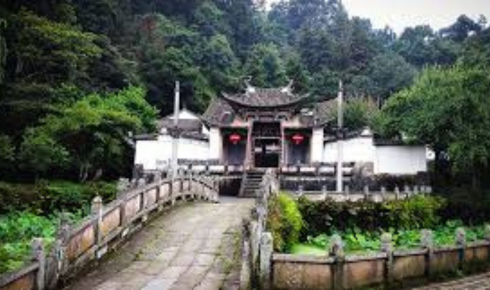
Heshun is a beautifully preserved ancestral village just outside Tengchong, built by merchants who traded jade and other goods along routes into Southeast Asia. The architecture mixes traditional Chinese courtyard houses with subtle Western influences brought back by returning traders. Cobblestone lanes wind past ancestral halls, a historic library, and lotus ponds. Singapore to Yunnan flights bring you within reach of a place that feels untouched by mass tourism, where the only crowds are local residents gathering for morning exercises.
Rural Villages and Terraced Fields
Beyond the main sights, the real magic of western Yunnan lies in its countryside. Villages like Yinxing and Jietou are famous for their ancient ginkgo trees, which turn brilliant gold in late November and carpet the ground in yellow leaves. The terraced rice paddies around Tengchong rival those of Yuanyang in beauty, though far fewer visitors make the journey to see them. Renting a scooter or hiring a local driver opens up day trips to remote communities where traditional crafts and farming practices remain alive.
Local Food Worth Travelling For
Tengchong’s cuisine draws on Yunnan’s famous biodiversity. Wild mushrooms appear in soups and stir-fries during the rainy season. Dajiujia, a local rice noodle dish served with minced pork and pickled vegetables, is the go-to breakfast. Fried potato cakes, grilled tofu at street stalls, and slow-cooked chicken with herbs reflect a kitchen philosophy that values fresh ingredients and simple preparation. Meals are inexpensive — a full dinner at a local restaurant rarely costs more than 40 RMB per person.
How to Get There from Singapore
The most practical route involves taking Singapore to Yunnan flights into Kunming, then catching a domestic flight or high-speed train to Tengchong or nearby Baoshan. The domestic connection adds about an hour of flight time or a few hours by rail. Traveloka Singapore can help you piece together the routing, showing connecting options from Kunming onward. The extra travel effort filters out casual tourists, leaving you with a destination that feels genuinely off the beaten path.
Best Time to Visit
October to December is ideal, with cool temperatures, clear skies, and the spectacular ginkgo season in late November. Spring from March to May brings wildflowers and pleasant hiking weather. The summer rainy season from June to August makes roads muddy but unlocks peak mushroom season for food lovers willing to brave the damp.