We use water all day without thinking much about it. It goes into the kettle in the morning, fills the shower, washes vegetables, cleans dishes, and ends up in the garden. Because it looks clear coming from the tap, it’s easy to assume everything is fine.
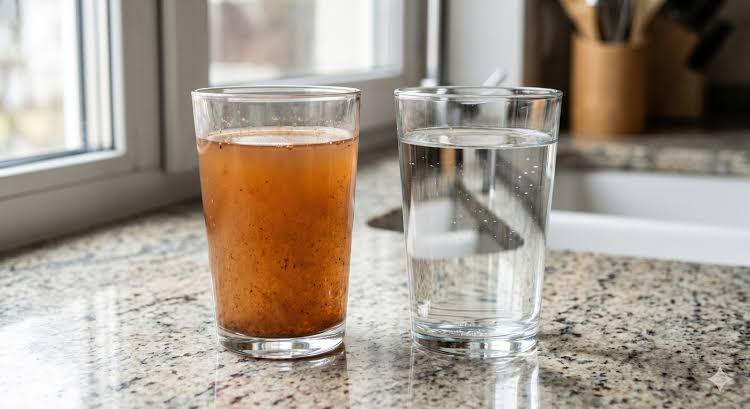
But water can have issues that aren’t visible at all. Hardness, chlorine, sediment, unpleasant odors, minerals, and other impurities can affect how water tastes, feels, and behaves around the house. Sometimes the problem is obvious, like white scale around a faucet. Other times, you may only notice that your skin feels dry or your glasses never seem completely clean.
Improving your home’s water doesn’t have to mean buying the most expensive equipment available. The smarter approach is understanding the problem first, then choosing treatment that actually fits your needs.
Start by Understanding Your Water
Before choosing a treatment system, take a step back and consider where your water comes from.
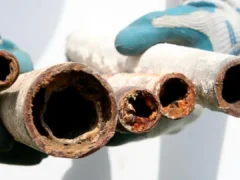
Municipal water and private well water can have very different characteristics. Public supplies are treated and monitored, but that doesn’t mean every household experiences exactly the same water quality. Plumbing, local conditions, and the age of a home’s pipes can all influence what eventually comes out of the tap.
Private wells require even more attention because homeowners are responsible for monitoring their own supply. Changes in taste, odor, color, or staining can be useful clues, but they don’t tell you everything.
Testing is often the best place to begin. Instead of guessing why your water feels different, you’ll have actual information to work with.
Hard Water Is More Than an Annoyance
Hard water is one of the most common household water problems. It usually contains elevated levels of calcium and magnesium. These minerals aren’t necessarily something you can see floating in the glass, but they can leave a very noticeable trail around your home.
White spots on shower doors? Mineral deposits. A crusty faucet aerator? Often the same story. Soap that refuses to lather properly can also be associated with hard water.
Over time, scale can build up inside water heaters, pipes, fixtures, and appliances. That can affect efficiency and create extra maintenance work.
This is where water softeners can make a practical difference. A properly sized softener can reduce hardness minerals before the water travels through your plumbing, helping control scale and making everyday cleaning easier.
Of course, a softener isn’t a universal filter. It is designed primarily for hardness, which is why testing first still matters.
When You Need More Than a Softener
Here’s an important distinction that often gets overlooked: softening water and filtering water aren’t the same thing.
A softener targets hardness minerals. A filtration system may address sediment, chlorine, certain odors, or other specific substances, depending on the technology used.
If your water has several different issues, you may need a combination of treatment methods. For example, someone might have hard water throughout the house but prefer additional filtration for drinking water.
That’s where whole home filtration can be worth considering. Instead of treating water only at one faucet, a whole-home system is installed so treated water can be distributed throughout the property.
That means the water used for showers, laundry, cooking, and cleaning can all receive the intended treatment. It’s a bigger investment than a simple point-of-use filter, so the actual water problem should justify it.
Don’t Ignore Taste and Odor
Sometimes water isn’t technically unpleasant because of hardness or visible sediment. The issue is simply that it smells or tastes strange.
Chlorine, for example, can create a noticeable swimming-pool-like smell or taste in some water supplies. Organic materials and other substances can also affect flavor and odor.
Activated carbon filtration is commonly used to reduce chlorine and improve certain taste and odor concerns. But again, the right filter depends on what’s actually causing the problem.
If you’ve recently moved into a home and immediately noticed that the water tastes different from what you’re used to, don’t automatically assume it’s unsafe. Different water supplies have different characteristics. Still, unusual changes deserve attention, especially when they appear suddenly.
What About Drinking Water?
Many homeowners focus on shower water because that’s where hard water and chlorine are often easiest to notice. Drinking water deserves equal attention, though.
A point-of-use system, such as an under-sink filter or reverse osmosis unit, can be useful when the main concern is the quality of drinking and cooking water rather than every gallon used in the house.
Reverse osmosis can remove a broad range of dissolved substances, but it isn’t always necessary. It also produces wastewater and requires regular maintenance. For some households, a simpler filtration system may be perfectly adequate.
The key is matching the technology to the problem rather than assuming more filtration automatically means better water.
Testing Makes the Decision Easier
It’s tempting to search online, read a few reviews, and order a treatment system within ten minutes. We’ve all done something similar with household purchases.
Water is different, though.
water quality can vary significantly from one property to another, even within the same neighborhood. A neighbor’s successful treatment system isn’t necessarily the right solution for your home.
A water test can provide useful information about hardness, pH, iron, manganese, chlorine, bacteria, nitrates, and other characteristics, depending on the type of testing performed.
For private wells, periodic testing is especially important. Testing after flooding, well repairs, or noticeable changes in taste or appearance can also be sensible.
Maintenance Matters More Than Most People Think
Installing treatment equipment is only half the job. Filters need replacement. Softener salt needs replenishing when applicable. Tanks and other components may require servicing.
A neglected system can become less effective over time, and in some cases, poor maintenance can create new problems.
Keep a simple maintenance schedule. Write down filter replacement dates, testing results, and service appointments. It sounds boring, but five minutes of organization can save a headache later.
Make Water Treatment a Thoughtful Choice
There isn’t one perfect water treatment system for every home. Your water source, plumbing, household needs, budget, and test results all matter.
The best starting point is surprisingly simple: pay attention. If you notice scale, strange odors, staining, changes in taste, or other unusual signs, investigate rather than guessing.
Good water treatment isn’t about making water complicated. It’s about understanding what comes through your tap and using the right solution for the job. Once you know what’s actually in your water, choosing between a softener, filtration system, drinking-water filter, or combination approach becomes much less confusing.
And that’s really the goal — not simply having more equipment under the sink, but having water that works better for your home, your appliances, and your everyday life.