Living With Well Water Comes With Unique Benefits—and Unique Responsibilities
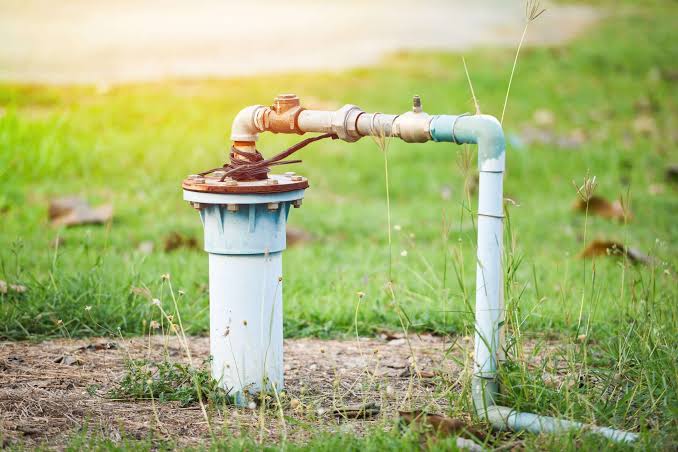
There’s something reassuring about having your own private well. You’re not completely dependent on a municipal water supply, and many homeowners appreciate the independence that comes with it. For some families, well water even tastes fresher because it comes directly from natural underground sources.
But owning a private well also means becoming responsible for the quality of the water entering your home.
Unlike city water, which is routinely treated and monitored by public utilities, private well water should be tested and maintained by the homeowner. That doesn’t mean it’s unsafe—far from it. Many wells provide excellent water for decades. Still, conditions underground can change over time, making regular attention an important part of protecting your family’s water supply.
The good news is that keeping well water in excellent condition doesn’t have to be complicated. A little knowledge and the right treatment approach can make an enormous difference.
Every Well Is Different
One thing surprises many new well owners.
No two wells are exactly alike.
Even homes located on the same road may have completely different water characteristics because groundwater changes depending on soil composition, rock formations, seasonal rainfall, and underground mineral deposits.
One household might struggle with hard water, while another notices iron stains, sulfur odors, sediment, or elevated mineral levels.
That’s why well water treatment should never rely on guesswork. The most effective solutions always begin with understanding what’s actually present in the water rather than assuming every well has the same challenges.
Testing first saves both time and money later.
Clear Water Doesn’t Tell the Whole Story
It’s natural to assume that clear water must be perfectly clean.
Unfortunately, that’s not always true.
Some water quality concerns are obvious, like staining, unpleasant odors, or cloudy appearance. Others remain completely invisible. Minerals, bacteria, naturally occurring elements, or chemical compounds can all exist without changing how the water looks.
That’s one reason routine water testing is so valuable.
Knowing what’s in your water allows you to make informed decisions instead of reacting only after noticeable problems begin affecting your home or your appliances.
A little information goes a long way.
Better Water Improves Everyday Living
Water influences nearly everything happening inside a home.
It’s there when you brew coffee in the morning, wash fresh vegetables, take a shower, clean dishes, do laundry, and fill a glass before bed.
When water quality improves, many of those everyday experiences improve as well.
Coffee often tastes smoother.
Soap rinses away more easily.
Laundry feels softer.
Fixtures stay cleaner.
Even cooking can become more enjoyable because water isn’t introducing unwanted tastes or odors into meals.
These aren’t dramatic lifestyle changes, but they make everyday routines noticeably more pleasant.
Protecting Your Home Starts With Better Water
Most homeowners think about protecting their roof, heating system, or foundation.
Water deserves the same level of attention.
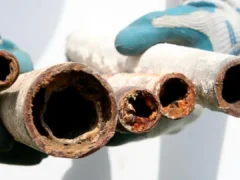
Poor-quality water can gradually shorten the lifespan of expensive household equipment. Water heaters collect mineral deposits. Washing machines work harder. Dishwashers lose efficiency. Plumbing fixtures become clogged or stained over time.
Reliable residential water treatment helps reduce these problems by improving the quality of the water moving through the home’s plumbing system every day.
Although routine maintenance is always necessary, cleaner water often means fewer repairs, lower energy consumption, and appliances that continue performing well for many years.
It’s one of those investments that quietly pays you back over time.
Prevention Is Always Easier Than Repairs
Many household problems develop so gradually that they’re easy to ignore.
A little scale buildup.
Slightly lower water pressure.
An appliance that seems less efficient than it used to be.
Because these changes happen slowly, homeowners often assume they’re simply part of aging equipment.
Sometimes they are.
Other times, water quality is quietly contributing to the problem every single day.
Addressing those issues early usually costs much less than replacing damaged plumbing or expensive appliances later.
That’s why preventive maintenance remains one of the smartest approaches to homeownership.
Modern Treatment Systems Are More Efficient Than Ever
Water treatment technology has improved tremendously over the years.
Today’s systems are designed to target specific water conditions instead of offering generic one-size-fits-all solutions. Depending on local water quality, treatment may include sediment filtration, water softening, activated carbon filtration, ultraviolet treatment, or combinations of multiple technologies.
These water quality solutions work together to create cleaner, more reliable water throughout the home while requiring surprisingly little day-to-day attention.
Most homeowners quickly forget the systems are even there—which is usually a sign they’re doing exactly what they’re were designed to do.
Peace of Mind Matters Too
One benefit people don’t always talk about is confidence.
Knowing your family has dependable water every day removes a layer of uncertainty from daily life.