Tag: water softeners

  • A Practical Guide to Better Water Quality at Home

    A Practical Guide to Better Water Quality at Home

    We use water all day without thinking much about it. It goes into the kettle in the morning, fills the shower, washes vegetables, cleans dishes, and ends up in the garden. Because it looks clear coming from the tap, it’s easy to assume everything is fine.

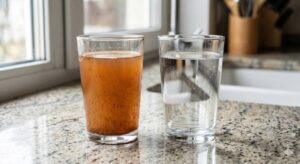
    But water can have issues that aren’t visible at all. Hardness, chlorine, sediment, unpleasant odors, minerals, and other impurities can affect how water tastes, feels, and behaves around the house. Sometimes the problem is obvious, like white scale around a faucet. Other times, you may only notice that your skin feels dry or your glasses never seem completely clean.

    Improving your home’s water doesn’t have to mean buying the most expensive equipment available. The smarter approach is understanding the problem first, then choosing treatment that actually fits your needs.

    Start by Understanding Your Water

    Before choosing a treatment system, take a step back and consider where your water comes from.

    Municipal water and private well water can have very different characteristics. Public supplies are treated and monitored, but that doesn’t mean every household experiences exactly the same water quality. Plumbing, local conditions, and the age of a home’s pipes can all influence what eventually comes out of the tap.

    Private wells require even more attention because homeowners are responsible for monitoring their own supply. Changes in taste, odor, color, or staining can be useful clues, but they don’t tell you everything.

    Testing is often the best place to begin. Instead of guessing why your water feels different, you’ll have actual information to work with.

    Hard Water Is More Than an Annoyance

    Hard water is one of the most common household water problems. It usually contains elevated levels of calcium and magnesium. These minerals aren’t necessarily something you can see floating in the glass, but they can leave a very noticeable trail around your home.

    White spots on shower doors? Mineral deposits. A crusty faucet aerator? Often the same story. Soap that refuses to lather properly can also be associated with hard water.

    Over time, scale can build up inside water heaters, pipes, fixtures, and appliances. That can affect efficiency and create extra maintenance work.

    This is where water softeners can make a practical difference. A properly sized softener can reduce hardness minerals before the water travels through your plumbing, helping control scale and making everyday cleaning easier.

    Of course, a softener isn’t a universal filter. It is designed primarily for hardness, which is why testing first still matters.

    When You Need More Than a Softener

    Here’s an important distinction that often gets overlooked: softening water and filtering water aren’t the same thing.

    A softener targets hardness minerals. A filtration system may address sediment, chlorine, certain odors, or other specific substances, depending on the technology used.

    If your water has several different issues, you may need a combination of treatment methods. For example, someone might have hard water throughout the house but prefer additional filtration for drinking water.

    That’s where whole home filtration can be worth considering. Instead of treating water only at one faucet, a whole-home system is installed so treated water can be distributed throughout the property.

    That means the water used for showers, laundry, cooking, and cleaning can all receive the intended treatment. It’s a bigger investment than a simple point-of-use filter, so the actual water problem should justify it.

    Don’t Ignore Taste and Odor

    Sometimes water isn’t technically unpleasant because of hardness or visible sediment. The issue is simply that it smells or tastes strange.

    Chlorine, for example, can create a noticeable swimming-pool-like smell or taste in some water supplies. Organic materials and other substances can also affect flavor and odor.

    Activated carbon filtration is commonly used to reduce chlorine and improve certain taste and odor concerns. But again, the right filter depends on what’s actually causing the problem.

    If you’ve recently moved into a home and immediately noticed that the water tastes different from what you’re used to, don’t automatically assume it’s unsafe. Different water supplies have different characteristics. Still, unusual changes deserve attention, especially when they appear suddenly.

    What About Drinking Water?

    Many homeowners focus on shower water because that’s where hard water and chlorine are often easiest to notice. Drinking water deserves equal attention, though.

    A point-of-use system, such as an under-sink filter or reverse osmosis unit, can be useful when the main concern is the quality of drinking and cooking water rather than every gallon used in the house.

    Reverse osmosis can remove a broad range of dissolved substances, but it isn’t always necessary. It also produces wastewater and requires regular maintenance. For some households, a simpler filtration system may be perfectly adequate.

    The key is matching the technology to the problem rather than assuming more filtration automatically means better water.

    Testing Makes the Decision Easier

    It’s tempting to search online, read a few reviews, and order a treatment system within ten minutes. We’ve all done something similar with household purchases.

    Water is different, though.

    water quality can vary significantly from one property to another, even within the same neighborhood. A neighbor’s successful treatment system isn’t necessarily the right solution for your home.

    A water test can provide useful information about hardness, pH, iron, manganese, chlorine, bacteria, nitrates, and other characteristics, depending on the type of testing performed.

    For private wells, periodic testing is especially important. Testing after flooding, well repairs, or noticeable changes in taste or appearance can also be sensible.

    Maintenance Matters More Than Most People Think

    Installing treatment equipment is only half the job. Filters need replacement. Softener salt needs replenishing when applicable. Tanks and other components may require servicing.

    A neglected system can become less effective over time, and in some cases, poor maintenance can create new problems.

    Keep a simple maintenance schedule. Write down filter replacement dates, testing results, and service appointments. It sounds boring, but five minutes of organization can save a headache later.

    Make Water Treatment a Thoughtful Choice

    There isn’t one perfect water treatment system for every home. Your water source, plumbing, household needs, budget, and test results all matter.

    The best starting point is surprisingly simple: pay attention. If you notice scale, strange odors, staining, changes in taste, or other unusual signs, investigate rather than guessing.

    Good water treatment isn’t about making water complicated. It’s about understanding what comes through your tap and using the right solution for the job. Once you know what’s actually in your water, choosing between a softener, filtration system, drinking-water filter, or combination approach becomes much less confusing.

    And that’s really the goal — not simply having more equipment under the sink, but having water that works better for your home, your appliances, and your everyday life.
  • Water Softeners: Installation, Repairs, and What Homeowners Should Know

    Water Softeners: Installation, Repairs, and What Homeowners Should Know

    Hard water is one of those household problems that can sneak up on you. At first, you may only notice a few white spots on the faucet or a little buildup around the showerhead. Then the dishes look cloudy, soap doesn’t seem to lather properly, and the water heater starts collecting mineral scale.

    If that sounds familiar, a water softener may be worth considering. But buying a unit is only the beginning. Proper installation, regular maintenance, and timely repairs all play a role in keeping the system working effectively.

    What Exactly Is Hard Water?

    Hard water contains higher concentrations of minerals, particularly calcium and magnesium. These minerals aren’t usually considered harmful at typical household levels, but they can create plenty of practical problems.

    Over time, mineral deposits can accumulate inside pipes, faucets, showerheads, water heaters, dishwashers, and washing machines. You may also notice that soap leaves a film on bathroom surfaces or that laundry feels stiff after washing.

    The severity of the problem varies from one property to another. That’s why testing your water before purchasing treatment equipment is a sensible first move.

    How Water Softeners Work

    Traditional water softeners typically use an ion-exchange process to reduce calcium and magnesium from the water.

    The system contains resin beads that attract hardness minerals. Eventually, those beads become saturated and need to be regenerated, usually with a salt-based regeneration process.

    Once properly installed and maintained, a softener can help reduce scale buildup and make everyday cleaning easier.

    However, it’s important to understand what a softener does—and what it doesn’t do. A water softener is primarily designed to address hardness. It isn’t a universal filtration or purification system for every possible water-quality concern.

    When Water Softener Installation Makes Sense

    If testing confirms that your household water is significantly hard, water softener installation can be a practical long-term solution.

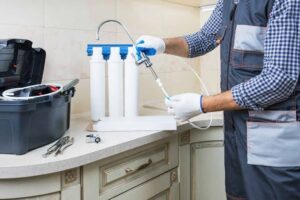
    The system is generally installed where the main water supply enters the property so that treated water can reach multiple fixtures and appliances. Installation also needs to account for factors such as available space, drainage, water pressure, plumbing configuration, and the type and size of the softener.

    Sizing matters more than many homeowners realize. A system that’s too small may require frequent regeneration, while an unnecessarily large unit can increase upfront and operating costs.

    A professional installer can evaluate household water usage and hardness levels before recommending an appropriately sized system.

    Why Professional Installation Is Worth Considering

    It can be tempting to treat a water softener like another DIY appliance. But installation involves more than connecting a couple of pipes.

    The unit needs to be correctly integrated into the plumbing system, and the regeneration cycle may require a proper drain connection. Incorrect installation can lead to leaks, poor performance, or unnecessary strain on the equipment.

    Professional installation can also help ensure that bypass valves, controls, and other components are set up correctly.

    A good installer should explain how the system works and show you the basic maintenance steps before leaving.

    Signs Your Softener May Need Repair

    Even a quality system won’t last forever without maintenance. If you start noticing scale returning around faucets, changes in water quality, unusual noises, or problems with regeneration, the system may need attention.

    Other warning signs can include excessive salt consumption, standing water around the equipment, error messages on electronic controls, or water that suddenly feels different.

    This is where water softener repair can often restore performance without replacing the entire unit.

    The cause might be something relatively simple, such as a clogged injector, faulty valve, worn seal, incorrect settings, or a problem with the brine system. In other cases, an aging component may need replacement.

    Don’t Immediately Replace the Whole System

    When a water softener stops working properly, homeowners sometimes assume the entire unit has reached the end of its life.

    That’s not necessarily true.

    A technician can inspect the system and determine whether the issue is repairable. If the resin tank, control valve, or another major component is severely worn, replacement may make more financial sense. But if the problem is limited to a smaller component, a repair could extend the life of the existing system.

    The right choice depends on the equipment’s age, condition, repair cost, and expected remaining service life.

    Maintenance Helps Prevent Problems

    Regular maintenance can make a noticeable difference in softener performance.

    For salt-based systems, homeowners should monitor salt levels and follow the manufacturer’s recommendations for cleaning and servicing. Avoid allowing the brine tank to become neglected or heavily encrusted with salt.

    It’s also wise to check the area around the softener occasionally for leaks or moisture. Small leaks are much easier to deal with than water damage that has been developing unnoticed for months.

    If your system has electronic controls, make sure the settings still match your household’s needs.

    Choosing the Right Water Softener

    Not every home needs the same type or size of softener.

    Consider your water hardness, household size, daily water consumption, available installation space, maintenance preferences, and operating costs. A professional water test can provide useful information before you make a purchase.

    It’s also worth thinking beyond the initial price. Salt consumption, replacement parts, service requirements, and expected lifespan all contribute to the true cost of ownership.

    The cheapest unit isn’t always the least expensive option over several years.

    Better Water Starts With the Right Equipment

    A properly selected and maintained softener can make everyday household life a little easier. Less mineral buildup can mean cleaner fixtures, more efficient water-using appliances, and less time spent scrubbing stubborn scale.

    Whether you’re considering water softener installation, troubleshooting an existing system, or arranging water softener repair, start with the actual condition of your water and equipment.

    A water softener shouldn’t be chosen simply because a neighbor has one or because an advertisement promises perfect water. Test first, choose carefully, install it correctly, and keep up with maintenance.

    That’s the less glamorous side of water treatment—but it’s usually what makes the biggest difference in the long run.