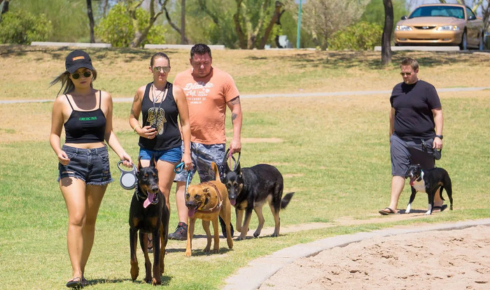
Public outings with a dog should feel calm, predictable, and enjoyable, not stressful or chaotic. That’s exactly where public manners training for family dogs becomes essential. It helps dogs learn how to behave appropriately in real-world environments such as parks, sidewalks, vet clinics, and family gatherings.
When done correctly, public manners training for family dogs builds impulse control, improves leash behavior, and strengthens communication between dogs and their owners. Programs like those offered by Rob’s Dog Training Rob’s Dog Training focus on teaching practical skills that translate directly into everyday life, not just controlled training environments.
This guide explores how structured training helps dogs develop better public behavior, what skills matter most, and how families can build consistency at home and in real-world settings.
Why Public Manners Training for Family Dogs Matters
Dogs don’t naturally understand human social rules. Without guidance, they may pull on the leash, jump on strangers, bark excessively, or become overly excited in stimulating environments.
Public manners training for family dogs addresses these challenges by teaching dogs how to remain calm and responsive despite distractions.
Key benefits include:
- Safer and more enjoyable walks
- Reduced leash pulling and reactivity
- Better behavior around children and guests
- Improved focus in distracting environments
- Stronger owner-dog communication
Families often notice that once public behavior improves, overall home behavior becomes more stable as well.
Foundations of Public Manners Training for Family Dogs
Successful training doesn’t start in public; it starts at home. Dogs need clear expectations and consistent reinforcement before they can succeed in busy environments.
Core Foundation Skills
Before heading outside, dogs should understand:
- Sit and stay under mild distractions
- Loose leash walking
- Recall (coming when called)
- Calm greetings with people
- “Leave it” for impulse control
These skills form the backbone of public manners training for family dogs and help prevent overwhelm when real-world distractions appear.
Consistency is Key
Dogs learn through repetition. Inconsistent rules, such as allowing pulling sometimes but not others, create confusion and slow progress. Structured routines help dogs understand what is expected in every environment.
Leash Skills and Walking Etiquette in Public Manners Training for Family Dogs
One of the most visible parts of public behavior is leash walking. Pulling, lunging, or zig-zagging can make walks frustrating and unsafe.
Loose Leash Walking Techniques
Effective leash training focuses on:
- Rewarding calm walking beside the handler
- Stopping movement when pulling occurs
- Reinforcing eye contact and attention
- Using direction changes to regain focus
The goal is not a perfect heel position at all times, but controlled movement and responsiveness.
Managing Environmental Distractions
Dogs encounter:
- Other dogs
- Moving vehicles
- Loud noises
- Crowds and unfamiliar scents
Public manners training for family dogs teaches dogs to observe these distractions without reacting impulsively.
Socialization Skills in Public Environments
Socialization is not just about meeting other dogs; it’s about learning to remain calm around all types of stimuli.
Healthy Social Exposure Includes:
- Calm observation of other dogs
- Neutral interactions with strangers
- Exposure to different surfaces and sounds
- Controlled experiences in public spaces
Overexposure or uncontrolled greetings can actually increase anxiety or reactivity. Structured training helps dogs learn neutrality instead of overstimulation.
Impulse Control: The Core of Public Manners Training for Family Dogs
Impulse control is what allows a dog to pause before reacting. Without it, even well-meaning dogs may jump, bark, or pull.
Practical Impulse Control Exercises
- Waiting before exiting the doors
- Sitting before receiving food or toys
- Pausing before crossing streets
- Ignoring dropped food items
These exercises directly improve real-world behavior and are essential in public manners training for family dogs.
Handling Common Public Behavior Challenges
Even well-trained dogs may struggle in certain situations. Understanding how to respond is part of long-term success.
1. Jumping on People
Redirect attention before the greeting occurs. Reward four paws on the ground instead.
2. Barking at Strangers or Dogs
Increase distance and reward calm observation instead of reaction.
3. Overexcitement in Parks
Use short training breaks during play sessions to reset focus.
4. Pulling Toward Stimuli
Pause movement until the leash is relaxed again before continuing.
These strategies help reinforce calm decision-making in real time.
The Role of Structured Training Programs
While owners can teach basic skills at home, structured programs help accelerate progress by introducing controlled real-world scenarios.
Professional guidance ensures:
- Proper timing of corrections and rewards
- Safe exposure to distractions
- Clear progression from easy to advanced environments
- Prevention of bad habits from forming early
Programs like those from Rob’s Dog Training are designed to bridge the gap between home behavior and public expectations, helping families create long-term consistency.
Building Real-World Reliability
Reliability means a dog responds the same way in different environments, not just at home.
Steps to Build Reliability:
- Start training in quiet environments
- Gradually introduce mild distractions
- Increase difficulty slowly (parks, sidewalks, busy areas)
- Reinforce success consistently
- Avoid overwhelming the dog too quickly
This step-by-step approach ensures that public manners training for family dogs leads to lasting behavioral stability.
Family Involvement in Training Success
Everyone in the household plays a role in shaping behavior. Dogs learn faster when rules are consistent across all family members.
Best Practices for Families:
- Use the same commands and cues
- Avoid mixed signals (e.g., allowing jumping sometimes)
- Practice short daily training sessions
- Reward calm behavior consistently
When families work together, progress becomes faster and more reliable.
Common Mistakes to Avoid
Even well-intentioned owners can slow progress unintentionally.
Mistakes include:
- Skipping foundational training and jumping straight into public spaces
- Overexposing dogs to busy environments too quickly
- Inconsistent reward timing
- Relying only on verbal commands without reinforcement
- Expecting instant results
Avoiding these mistakes ensures smoother progress in public manners training for family dogs.
Long-Term Benefits of Public Manners Training for Family Dogs
Once established, good public behavior creates lasting improvements in both the dog’s and owner’s quality of life.
Long-term benefits include:
- Stress-free walks and outings
- Stronger bond between dog and family
- Increased safety in public spaces
- Easier travel and social activities
- Better overall obedience and responsiveness
These benefits extend far beyond basic leash behavior; they shape how dogs interact with the world.
Final Thoughts
Public manners training for family dogs is not just about obedience; it’s about helping dogs confidently navigate real-world environments while remaining calm, responsive, and well-adjusted.
With consistent practice, structured guidance, and clear communication, families can build dogs that are enjoyable companions in every setting. Whether starting from scratch or refining existing behavior, the right approach makes public outings safer and more rewarding for everyone involved.
For families seeking structured guidance and practical training support, Rob’s Dog Training Rob’s Dog Training provides programs designed to develop real-world manners that last.