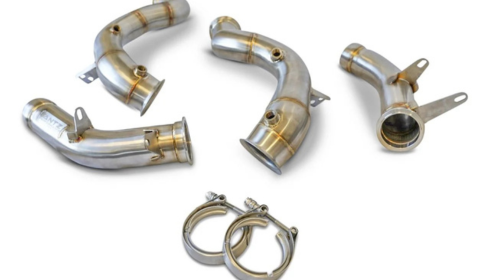
If you’re a performance enthusiast, upgrading your downpipes is one of the most impactful modifications you can make. Whether you’re looking at the ferocious Mercedes E63 W213 or the exotic Lamborghini Urus, aftermarket downpipes—either catted or catless—can dramatically enhance your vehicle’s sound, throttle response, and power output. In this article, we’ll dive into the pros and cons of catted and catless downpipes for the E63 W213, along with what to expect from lamborghini urus downpipes.
What Are Downpipes?
Downpipes are a key part of a vehicle’s exhaust system, responsible for carrying exhaust gases from the turbocharger to the rest of the exhaust. OEM downpipes often include restrictive catalytic converters to meet emission standards. However, performance downpipes are designed to optimize flow and reduce backpressure—giving your vehicle more power and a sportier exhaust note.
Mercedes E63 W213 Downpipes: Catted vs. Catless
The Mercedes-AMG E63 W213 is a beast in stock form, but its performance can be further unleashed with upgraded downpipes. Here’s a comparison of the two primary types:
Catted Downpipes
Catted downpipes include high-flow catalytic converters. These are ideal for those who want to strike a balance between performance and emissions compliance.
Pros:
- Reduces the strong exhaust smell associated with catless setups
- More likely to pass emissions testing
- Minimizes Check Engine Light (CEL) triggers
- Still provides a noticeable bump in horsepower and torque
Cons:
- Slightly more restrictive than catless versions
- More expensive than catless options
Catless Downpipes
Catless downpipes eliminate the catalytic converter altogether, maximizing exhaust flow and turbo spool.
Pros:
- Maximum performance gain (up to 20-30 HP more than stock)
- Louder, more aggressive exhaust note
- Lower cost compared to catted alternatives
Cons:
- Will likely trigger CEL due to missing catalytic converters
- Strong exhaust fumes—less suitable for daily drivers
- Not emissions-compliant in many regions
Many enthusiasts start with mercedes e63 w213 catted and catless downpipes to weigh the balance of performance versus daily drivability. Tuning the ECU post-installation is highly recommended to optimize gains and prevent issues.
Lamborghini Urus Downpipes: Elevate the Bull’s Roar
The Lamborghini Urus already offers jaw-dropping performance thanks to its 4.0L twin-turbo V8. However, replacing the restrictive factory downpipes with aftermarket units unlocks the true potential of this super SUV.
Performance Gains
Aftermarket Urus downpipes (especially catless) can provide:
- Enhanced turbo efficiency
- Up to 40+ HP increase with a proper tune
- Drastically improved throttle response
- Deeper, louder exhaust tone that matches the Urus’s exotic badge
Catted vs. Catless Options
Like the E63, Urus owners can choose between high-flow catted and fully catless options. Catted is ideal for daily use and passing emissions, while catless is preferred for track use or off-road setups where regulations don’t apply.
Upgrading Lamborghini Urus downpipes often involves pairing them with performance software (ECU tuning), heat shielding, and upgraded mid-pipes for full effect. When done right, the transformation is absolutely thrilling.
Final Thoughts
Whether you drive a German powerhouse like the E63 W213 or an Italian monster like the Urus, aftermarket downpipes can make a world of difference. Choosing between catted and catless depends on your goals—are you looking for street-legal performance with refinement, or are you chasing raw power and sound, regardless of compliance?