
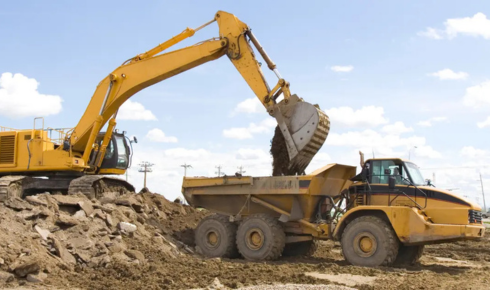
Level ground rarely happens naturally. Construction sites, new yards, and large landscape projects often require thousands of pounds of soil to reshape uneven land. Coordinating large-scale dirt delivery near me takes more than simply ordering a few truckloads—it requires planning, timing, and careful site preparation so the finished grade stays stable for years.
Determining the Exact Cubic Yardage Required to Achieve a Level Grade
Leveling land begins with accurate measurements. Contractors first evaluate the elevation differences across the property to understand how much soil must be added or moved. Survey tools, grade stakes, and laser levels help determine how deep the fill should be in low areas and where the ground may need to be cut down. Calculating cubic yardage prevents major mistakes during dirt delivery. Too little soil leaves low spots, while too much creates costly removal work later. Professionals measure the site carefully and convert the required volume into truckloads so the project stays efficient and predictable.
Coordinating Multiple Truck Cycles to Maintain a Continuous Workflow
Large grading projects rarely rely on a single load of soil. Instead, trucks arrive in steady cycles, delivering material throughout the day so equipment operators can keep working without interruptions. Timing matters because machines such as excavators or skid steers operate best when soil arrives at a steady pace. Careful scheduling keeps the entire process moving smoothly. Drivers bring new loads while earlier deliveries are spread and shaped across the site. When multiple trucks rotate in sequence, crews avoid idle time and the grading project stays on track.
Selecting a Clear, Accessible Staging Area for Heavy Equipment and Dirt Piles
A staging area gives crews a place to unload soil before spreading it across the property. Without this space, trucks may struggle to maneuver or dump material in locations that slow down the work. Choosing the right spot keeps operations organized and prevents unnecessary equipment movement. Contractors typically place staging zones on firm ground near the work area. From there, loaders and grading equipment move soil gradually across the site. This setup keeps the workspace orderly while allowing trucks to unload quickly and leave room for the next delivery.
Verifying Soil Compaction Rates to Prevent Future Settling or Sinking
Fresh soil looks level when first spread, but loose material can settle over time if it is not compacted properly. Compaction presses soil particles together, increasing stability and reducing the risk of future sinking. Crews often compact the ground in layers instead of spreading all the soil at once. After each layer is placed, equipment such as plate compactors or rollers compress the material firmly. This method strengthens the base and helps the finished grade stay even.
Ensuring the Delivery Site Is Accessible for Large Dump Trucks or Trailers
Dump trucks require adequate space to enter, turn, and unload safely. Narrow driveways, low tree branches, or soft ground can prevent trucks from reaching the delivery area. Preparing the access route ahead of time avoids delays once trucks begin arriving. Many property owners arrange temporary paths or cleared access lanes before scheduling dirt delivery. Removing obstacles and widening entry points allows large vehicles to move in and out efficiently without damaging surrounding surfaces.
Scheduling Deliveries During Dry Weather Windows to Avoid Mud and Rutting
Wet ground creates serious challenges for heavy equipment and delivery trucks. Saturated soil can cause tires to sink or leave deep ruts that require additional repairs. Timing deliveries during dry weather reduces these risks. Project managers often monitor local forecasts closely before scheduling dirt delivery near me. A stretch of clear weather provides better traction for trucks and machines, which allows crews to spread and grade soil more efficiently.
Obtaining Necessary Local Permits for Significant Changes to Land Elevation
Large grading projects sometimes require permits, especially if the work changes drainage patterns or alters natural terrain. Local governments may request documentation to ensure the project does not cause flooding or erosion in nearby areas.
Checking permit requirements before starting the work avoids unexpected delays. Contractors typically review zoning rules and environmental guidelines to confirm whether the project requires approval before the first truck arrives.
Utilizing Professional Grading Equipment like Skid Steers or Excavators
Heavy equipment plays a major role in leveling land quickly. Skid steers move smaller amounts of soil with precision, while excavators handle large piles and reshape the terrain. Each machine performs a specific task during the grading process.
Experienced operators use these machines to spread and contour soil evenly. Their skill ensures the final surface drains correctly and meets the elevation targets established during planning.
Implementing Erosion Control Measures During the Soil Stabilization Phase
Freshly graded soil remains vulnerable until grass or ground cover takes hold. Rain and wind can carry loose particles away, undoing the work that went into leveling the property. Erosion control protects the soil during this early stage. Crews often install temporary barriers such as straw mats, silt fencing, or erosion blankets. These measures hold the soil in place while the ground stabilizes and vegetation begins to grow.
You can rely on North Alabama Rock & Dirt for dependable aggregate materials and timely deliveries that support large-scale grading and leveling projects. Their team supplies quality dirt for sale along with reliable dirt delivery services that help contractors and property owners keep work moving without delays. With the right materials and experienced coordination, North Alabama Rock & Dirt helps ensure every project starts with a stable, properly prepared foundation.