
Category: Beauty

  • Designed for Love That Breaks Every Mold

    Designed for Love That Breaks Every Mold

    In a world where tradition often dictates the choices we make, some couples seek to express their unique love story in ways that go beyond convention. Eco-friendly engagement rings are becoming a powerful symbol of this shift, reflecting not only a commitment to one another but also a dedication to preserving the planet. These rings embody the spirit of love that breaks every mold, offering something truly original and meaningful for those who dare to be different.

    The idea of love that breaks every mold goes beyond just personal expression. It challenges long-standing norms and embraces diversity, creativity, and responsibility. When couples choose eco-friendly engagement rings, they opt for a design and creation process that respects the environment, often incorporating recycled metals, ethically sourced stones, or innovative materials that reduce environmental impact. This conscious approach adds depth to the commitment being made, making the ring a testament not only to love but to values shared by both partners.

    Designers today are pushing the boundaries of what engagement rings can be. No longer confined to traditional styles or materials, these rings can be as bold or delicate as the love they represent. Whether it’s a vintage-inspired ring crafted from recycled gold or a modern design featuring lab-grown diamonds, each piece reflects a story of innovation and respect for the Earth. The use of sustainable practices in crafting these rings ensures that love is celebrated without compromising the future of the planet, aligning perfectly with the ideals of couples who want their relationship to make a positive impact.

    Choosing an eco-friendly engagement ring also opens the door to exploring a wide range of creative possibilities. Many jewelers now offer custom options where couples can collaborate on a design that perfectly matches their personalities and values. This level of personalization allows love to be expressed in its purest form—unconstrained by trends or expectations. The result is a one-of-a-kind piece that stands as a powerful reminder of a bond that is as unique as the individuals it unites.

    Beyond the environmental benefits, eco-friendly engagement rings often carry a deeper emotional resonance. Knowing that the ring was created with care and responsibility adds an extra layer of meaning to the commitment it symbolizes. For couples passionate about sustainability, this thoughtful choice strengthens their connection and reflects a shared vision for the future. It is a celebration of love that defies traditional molds and embraces a path that honors both their relationship and the world around them. For more helpful blog posts like this one, visit the rest of our site, DiscoverBlog.

    The growing popularity of eco-friendly engagement rings also highlights a broader cultural shift towards mindful consumption and ethical choices. As more people become aware of the impact of their purchases, they seek alternatives that align with their beliefs. This movement is reshaping the jewelry industry, encouraging transparency and innovation while offering consumers more meaningful options. For couples, this means the opportunity to mark their love with a symbol that is not only beautiful but also responsible.

    In the end, love that breaks every mold is about authenticity and courage. It’s about making choices that reflect who you are and what you believe in, rather than following a prescribed path. Eco-friendly engagement rings perfectly capture this spirit, offering a way to celebrate love with intention and creativity. They are more than just jewelry—they are a statement of values and a promise for a shared future, crafted with care for the Earth and for each other.

    For those ready to embrace love that breaks every mold, eco-friendly engagement rings offer a perfect beginning. They stand as timeless reminders that true love is as much about honoring the world you live in as it is about the bond you share.

  • The Importance of Antioxidants in Skincare

    The Importance of Antioxidants in Skincare

    In the world of skincare, antioxidants have become a powerhouse ingredient for maintaining healthy, youthful skin. Their ability to protect the skin from environmental stressors and prevent damage makes them a vital component in any effective skincare routine. Whether you’re looking to prevent signs of aging or enhance your skin’s overall radiance, antioxidants offer a range of skincare benefits that can help you achieve a glowing complexion. Here’s why incorporating antioxidants into your skincare routine is essential for your skin’s health and appearance.

    1. Protects Against Free Radical Damage

    One of the primary roles of antioxidants in skincare is to protect the skin from free radical damage. Free radicals are unstable molecules that are generated by external factors like UV radiation, pollution, and toxins. These molecules can break down the skin’s collagen and elastin, leading to premature signs of aging, such as fine lines, wrinkles, and sagging skin.

    Antioxidants neutralize free radicals, preventing them from causing harm to your skin cells. By using antioxidant-rich products, you can defend your skin against oxidative stress, which contributes to the aging process. Some of the most effective antioxidants for protection include vitamin C, vitamin E, and green tea extract.

    2. Anti-Aging Benefits

    One of the standout benefits of antioxidants is their anti-aging creams and properties. Over time, free radical damage can degrade collagen, the protein responsible for keeping skin firm and plump. By protecting the skin from oxidative stress, antioxidants help maintain collagen levels, which results in smoother, firmer skin.

    Vitamin C, in particular, is known for its ability to boost collagen production, making it an excellent ingredient for anti-aging skincare. Regular use of antioxidant-rich products can help minimize the appearance of fine lines and wrinkles, giving the skin a more youthful and radiant appearance.

    3. Reduces Inflammation and Calms the Skin

    Many antioxidants possess anti-inflammatory properties, making them ideal for soothing irritated or sensitive skin. Chronic inflammation can lead to redness, breakouts, and conditions like rosacea or eczema. Antioxidants like niacinamide, green tea extract, and resveratrol help reduce inflammation, calm redness, and promote a more even complexion.

    For people with acne-prone or sensitive skin, antioxidants can provide much-needed relief from irritation while also helping to heal and repair the skin.

    4. Brightens the Skin and Fades Hyperpigmentation

    Another major benefit of antioxidants is their ability to brighten the skin and reduce the appearance of dark spots or hyperpigmentation. Ingredients like vitamin C work to inhibit melanin production, which can cause dark spots, sun spots, and uneven skin tone.

    Using an antioxidant-rich serum or cream can help fade existing dark spots while preventing new ones from forming, leading to a more even and radiant complexion over time. Vitamin C is particularly effective in brightening the skin and giving it a healthy glow.

    5. Enhances Sunscreen Efficacy

    While sunscreen is essential for protecting your skin from harmful UV rays, adding antioxidants to your routine can enhance your sun protection. Sunscreens block a portion of UV rays, but they don’t provide complete coverage. Antioxidants work alongside sunscreen to neutralize any free radicals that may still be generated by sun exposure.

    Vitamin E and ferulic acid are common antioxidants used in sunscreens and serums because they enhance the protective effects of SPF, making them a great addition to your daytime skincare routine.

    6. Helps Repair and Rejuvenate the Skin

    Antioxidants not only protect the skin but also support its natural repair processes. Ingredients like coenzyme Q10 (CoQ10) and vitamin A help to rejuvenate the skin by boosting cell turnover and encouraging the growth of healthy skin cells. This process helps repair damage, smooth out fine lines, and improve overall skin texture.

    By incorporating antioxidants into your daily routine, you’re helping your skin recover from damage caused by environmental stressors while promoting a healthy, youthful appearance.

    Incorporating antioxidants into your skincare routine is crucial for maintaining healthy, glowing skin. Their ability to protect against free radical damage, slow the aging process, calm inflammation, and brighten the complexion makes them a powerful ally in achieving a youthful, radiant appearance. Whether you’re looking to prevent premature aging or enhance your skin’s resilience, antioxidants are a must-have ingredient in any effective skincare regimen. Regular use of antioxidant-rich products will not only improve your skin’s current condition but also protect it from future damage, ensuring long-term skin health.

  • Best Practices for Exfoliating Sensitive Skin

    Best Practices for Exfoliating Sensitive Skin

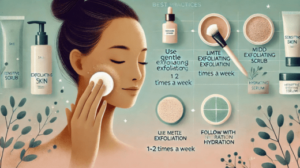
    Exfoliation is an important step in any skincare routine because it removes dead skin cells, promotes cell turnover, and helps reveal a smoother, brighter complexion. However, for those with sensitive skin, exfoliation can be tricky. Harsh scrubs and strong chemical exfoliants can lead to irritation, redness, and even breakouts if not done carefully. The key to exfoliating sensitive skin is to choose the right products and techniques that provide gentle, effective results without compromising the skin’s barrier. Here are some skincare tips and best practices to exfoliate sensitive skin safely.

    1. Choose the Right Exfoliator

    The first step in exfoliating sensitive skin is selecting the appropriate exfoliator. Avoid harsh physical scrubs with large or abrasive particles, as they can create micro-tears in the skin and lead to irritation. Instead, opt for gentle exfoliators that are designed for sensitive skin. Here are a few options:

    • Enzyme exfoliants: These are typically derived from fruits like papaya or pineapple. Enzyme exfoliants work by breaking down dead skin cells without the need for scrubbing, making them ideal for sensitive skin.
    • Lactic acid: A gentle alpha-hydroxy acid (AHA), lactic acid is effective for exfoliating without causing too much irritation. It helps to dissolve dead skin cells and improve skin texture while providing moisture.
    • Mandelic acid: Another AHA, mandelic acid is derived from almonds and is particularly good for sensitive skin. It has larger molecules, which means it penetrates the skin more slowly and is less likely to cause irritation.

    When choosing an exfoliator, look for products that are fragrance-free, hypoallergenic, and formulated specifically for sensitive skin.

    2. Exfoliate Less Frequently

    For those with sensitive skin, over-exfoliation can cause more harm than good. Unlike oily or acne-prone skin types, sensitive skin does not need frequent exfoliation. Exfoliating once or twice a week is usually enough to keep the skin smooth and healthy without causing irritation.

    Exfoliating too often can strip the skin of its natural oils, leading to dryness, redness, and increased sensitivity. Pay attention to how your skin reacts and adjust the frequency based on its needs.

    3. Be Gentle

    When exfoliating sensitive skin, always use a light touch. If you’re using a physical exfoliant, apply it gently without pressing too hard. Rubbing too aggressively can irritate the skin and damage its natural barrier. For chemical exfoliants, follow the instructions carefully and avoid leaving the product on for too long, as this can cause redness or a burning sensation.

    If you’re new to using chemical exfoliants, it’s best to start with a low concentration and gradually build up as your skin becomes more tolerant.

    4. Moisturize After Exfoliation

    Exfoliating removes dead skin cells, which can leave your skin more vulnerable to dryness. To protect and soothe your skin after exfoliation, always follow up with a hydrating moisturizer. Look for products that contain ceramides, hyaluronic acid, or shea butter, which help lock in moisture and restore the skin’s barrier.

    Moisturizing is essential for replenishing the skin and preventing dryness and irritation after exfoliation.

    5. Avoid Harsh Ingredients

    Sensitive skin is more reactive to certain ingredients, so it’s essential to avoid harsh chemicals and irritants in your exfoliating products. Stay away from exfoliants that contain:

    • Alcohol: It can be extremely drying and irritating for sensitive skin.
    • Fragrance: Added fragrances can trigger allergic reactions and irritation in sensitive skin types.
    • Strong acids: High concentrations of glycolic acid or salicylic acid may be too harsh for sensitive skin. Stick to gentler acids like lactic or mandelic acid.

    When selecting exfoliating products, always opt for those labeled as suitable for sensitive skin and free from potentially irritating ingredients.

    6. Listen to Your Skin

    One of the most important aspects of exfoliating sensitive skin is paying attention to how your skin responds. If your skin becomes red, dry, or irritated after exfoliation, it’s a sign to reduce the frequency or switch to a gentler product. Each person’s skin is different, so it’s important to adjust your routine based on your individual needs.

    If you’re unsure which exfoliant is best for you or if you have persistent issues with sensitivity, it’s always a good idea to consult a dermatologist.

    7. Always Use Sunscreen

    Exfoliating sensitive skin can make it more vulnerable to the sun’s harmful rays. After exfoliating, it’s crucial to apply a broad-spectrum sunscreen with at least SPF 30 to protect your skin from UV damage. Sun exposure after exfoliation can increase the risk of sunburn and lead to further irritation or hyperpigmentation.

    Exfoliating sensitive skin requires a gentle and mindful approach. By choosing mild exfoliators like enzyme-based products or low-concentration acids, exfoliating less frequently, and avoiding harsh ingredients, you can keep your skin smooth and healthy without causing irritation. Always follow up with a moisturizer to hydrate your skin and protect it from the elements. With the right care and attention, you can achieve a glowing complexion without compromising your skin’s health.