Hard water is one of those household problems that can sneak up on you. At first, you may only notice a few white spots on the faucet or a little buildup around the showerhead. Then the dishes look cloudy, soap doesn’t seem to lather properly, and the water heater starts collecting mineral scale.
If that sounds familiar, a water softener may be worth considering. But buying a unit is only the beginning. Proper installation, regular maintenance, and timely repairs all play a role in keeping the system working effectively.
What Exactly Is Hard Water?
Hard water contains higher concentrations of minerals, particularly calcium and magnesium. These minerals aren’t usually considered harmful at typical household levels, but they can create plenty of practical problems.
Over time, mineral deposits can accumulate inside pipes, faucets, showerheads, water heaters, dishwashers, and washing machines. You may also notice that soap leaves a film on bathroom surfaces or that laundry feels stiff after washing.
The severity of the problem varies from one property to another. That’s why testing your water before purchasing treatment equipment is a sensible first move.
How Water Softeners Work
Traditional water softeners typically use an ion-exchange process to reduce calcium and magnesium from the water.
The system contains resin beads that attract hardness minerals. Eventually, those beads become saturated and need to be regenerated, usually with a salt-based regeneration process.
Once properly installed and maintained, a softener can help reduce scale buildup and make everyday cleaning easier.
However, it’s important to understand what a softener does—and what it doesn’t do. A water softener is primarily designed to address hardness. It isn’t a universal filtration or purification system for every possible water-quality concern.
When Water Softener Installation Makes Sense
If testing confirms that your household water is significantly hard, water softener installation can be a practical long-term solution.
The system is generally installed where the main water supply enters the property so that treated water can reach multiple fixtures and appliances. Installation also needs to account for factors such as available space, drainage, water pressure, plumbing configuration, and the type and size of the softener.
Sizing matters more than many homeowners realize. A system that’s too small may require frequent regeneration, while an unnecessarily large unit can increase upfront and operating costs.
A professional installer can evaluate household water usage and hardness levels before recommending an appropriately sized system.
Why Professional Installation Is Worth Considering
It can be tempting to treat a water softener like another DIY appliance. But installation involves more than connecting a couple of pipes.
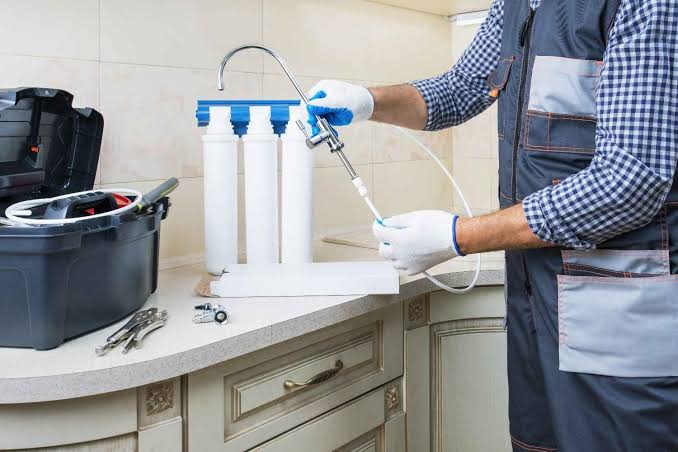
The unit needs to be correctly integrated into the plumbing system, and the regeneration cycle may require a proper drain connection. Incorrect installation can lead to leaks, poor performance, or unnecessary strain on the equipment.
Professional installation can also help ensure that bypass valves, controls, and other components are set up correctly.
A good installer should explain how the system works and show you the basic maintenance steps before leaving.
Signs Your Softener May Need Repair
Even a quality system won’t last forever without maintenance. If you start noticing scale returning around faucets, changes in water quality, unusual noises, or problems with regeneration, the system may need attention.
Other warning signs can include excessive salt consumption, standing water around the equipment, error messages on electronic controls, or water that suddenly feels different.
This is where water softener repair can often restore performance without replacing the entire unit.
The cause might be something relatively simple, such as a clogged injector, faulty valve, worn seal, incorrect settings, or a problem with the brine system. In other cases, an aging component may need replacement.
Don’t Immediately Replace the Whole System
When a water softener stops working properly, homeowners sometimes assume the entire unit has reached the end of its life.
That’s not necessarily true.
A technician can inspect the system and determine whether the issue is repairable. If the resin tank, control valve, or another major component is severely worn, replacement may make more financial sense. But if the problem is limited to a smaller component, a repair could extend the life of the existing system.
The right choice depends on the equipment’s age, condition, repair cost, and expected remaining service life.
Maintenance Helps Prevent Problems
Regular maintenance can make a noticeable difference in softener performance.
For salt-based systems, homeowners should monitor salt levels and follow the manufacturer’s recommendations for cleaning and servicing. Avoid allowing the brine tank to become neglected or heavily encrusted with salt.
It’s also wise to check the area around the softener occasionally for leaks or moisture. Small leaks are much easier to deal with than water damage that has been developing unnoticed for months.
If your system has electronic controls, make sure the settings still match your household’s needs.
Choosing the Right Water Softener
Not every home needs the same type or size of softener.
Consider your water hardness, household size, daily water consumption, available installation space, maintenance preferences, and operating costs. A professional water test can provide useful information before you make a purchase.
It’s also worth thinking beyond the initial price. Salt consumption, replacement parts, service requirements, and expected lifespan all contribute to the true cost of ownership.
The cheapest unit isn’t always the least expensive option over several years.
Better Water Starts With the Right Equipment
A properly selected and maintained softener can make everyday household life a little easier. Less mineral buildup can mean cleaner fixtures, more efficient water-using appliances, and less time spent scrubbing stubborn scale.
Whether you’re considering water softener installation, troubleshooting an existing system, or arranging water softener repair, start with the actual condition of your water and equipment.
A water softener shouldn’t be chosen simply because a neighbor has one or because an advertisement promises perfect water. Test first, choose carefully, install it correctly, and keep up with maintenance.
That’s the less glamorous side of water treatment—but it’s usually what makes the biggest difference in the long run.