Introduction
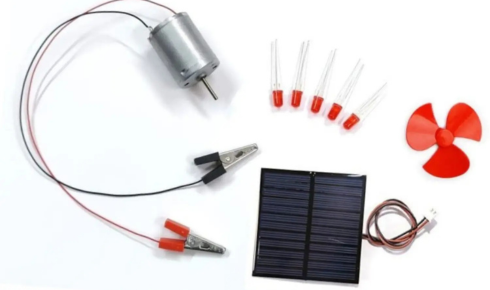
Electronics projects are growing rapidly in robotics, automation, and DIY innovation. Whether you are building a wearable device, a drone, or an industrial control system, choosing the right components is essential. Sensors, motors, and encoders play a major role in improving accuracy and performance. At the same time, finding a reliable supplier or store is equally important for getting quality parts. In this article, we will explore key components like sensors, drone propulsion systems, feedback devices, and how to locate a trusted electronics store nearby for your project needs.
Flex Sensor in Modern Electronics Projects
A flex sensor is a simple yet powerful device used to measure bending or angular movement. It changes its resistance based on how much it is bent, making it ideal for wearable electronics, robotics gloves, and posture detection systems. Students and engineers often use flex sensors in rehabilitation devices and gesture-controlled systems. These sensors are lightweight, flexible, and easy to integrate with microcontrollers like Arduino and Raspberry Pi. Their ability to convert physical movement into electrical signals makes them a popular choice in smart wearable technology and interactive projects.
Drone Motor for High-Performance UAV Systems
A drone motor is one of the most important components in any unmanned aerial vehicle. It provides the thrust required for lift, stability, and maneuverability. Most drones use brushless motors due to their high efficiency, long life, and lightweight design. These motors work in combination with electronic speed controllers (ESCs) to ensure smooth and precise rotation. Whether used in photography drones, racing drones, or industrial UAVs, the performance of the motor directly affects flight time, payload capacity, and control accuracy.
Hall Encoder for Precision Motion Control
A hall encoder is a sensor system that uses magnetic fields to detect rotation and position. It is commonly used in robotics, CNC machines, and motor control systems. Unlike optical encoders, Hall effect encoders are more resistant to dust and environmental interference, making them suitable for industrial applications. They provide accurate feedback on speed and direction, helping systems achieve precise movement control. Engineers often use them in closed-loop systems where real-time feedback is necessary for automation and robotics applications.
Electronic Components Shop Near Me for Easy Access
Finding a reliable electronic components shop near me is crucial for hobbyists and professionals working on time-sensitive projects. Local electronics stores provide access to resistors, capacitors, sensors, modules, and development boards without waiting for online delivery. Many shops also electronic components shop near me offer expert advice, helping beginners choose the right parts for their projects. In addition, physical stores allow customers to inspect components before purchase, ensuring better quality control. Whether you are repairing a device or building a prototype, a nearby electronics store can save both time and effort.
Importance of Quality Electronic Components
Using high-quality components ensures better performance, safety, and durability in any project. Low-quality parts can lead to system failure, inaccurate readings, or even damage to circuits. For example, poor motors may reduce drone flight stability, while inaccurate sensors can affect automation systems. Therefore, sourcing components from trusted suppliers is essential. Engineers and students should always prioritize reliability over cost when selecting electronic parts for critical applications.
Conclusion
Modern electronics projects rely heavily on accurate sensors, efficient motors, and precise control systems. Devices like flex sensors, drone motors, and Hall encoders play a key role in robotics and automation. At the same time, having access to a reliable electronics store ensures smooth project development and faster prototyping. As technology continues to advance, these components will remain essential in building smarter, more efficient, and innovative electronic systems for the future.