Most homeowners don’t spend much time thinking about the water moving through their house. It’s just there. You turn on the shower, fill a glass, run the washing machine, rinse the dishes, and get on with the day. Simple enough.
But behind all that everyday comfort is a system that works harder than people realise. Pipes, valves, fixtures, filters, heaters, pressure controls — they all have to cooperate. When one part starts struggling, the effects can show up in small but annoying ways: weak pressure, strange taste, cloudy water, leaks, noisy pipes, or stains around fixtures.
That’s why caring for your home’s water system should not only be about fixing what breaks. It should be about understanding the whole setup and making choices that help it last.
Why Water Problems Are Not Always Isolated
A dripping faucet might seem like a small issue. Sometimes it is. But water problems often connect to something larger. Poor pressure might come from a clogged fixture, or it might be related to pipe buildup. Staining around sinks could be caused by mineral-heavy water. Repeated appliance problems might point toward water quality.
The hard part is that many of these issues build slowly. You get used to the shower feeling a little weaker. You stop noticing the spots on glasses. You assume the water heater is just getting old. Then one day, the problem becomes too obvious to ignore.
Good Planning Helps Protect the Home
The best home water solutions are not rushed. They start with inspection, testing, and clear advice. Whether the problem involves plumbing repairs, filtration, softening, or pressure concerns, the goal should be long-term protection — not just a quick patch that looks fine for a few weeks.
This kind of thinking matters because water damage can be expensive and disruptive. A smart repair or upgrade today may help prevent hidden leaks, premature appliance wear, and future emergency calls.
Water Quality Affects More Than Taste
People often think about water quality only when the water smells odd or tastes unpleasant. But water quality can affect many parts of a home. Hard water can leave scale in pipes and appliances. Chlorine can affect taste and odour. Sediment can clog fixtures. Iron can stain laundry and sinks.
That’s where proper water treatment services can make a noticeable difference. The right solution depends on the water itself, not just guesswork. A home using well water may need a different system than one connected to a municipal supply. Testing helps identify what is actually in the water before equipment is recommended.
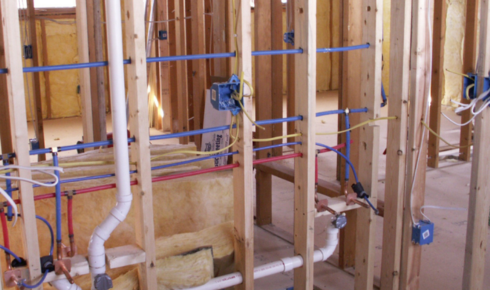
The Layout Behind the Walls Matters
Every home has its own plumbing layout, and that layout affects how water moves, where pressure drops may occur, and how repairs should be planned. Two houses can have the same symptoms but completely different causes.
For example, one home may have long pipe runs that reduce hot water speed. Another may have older pipe sections mixed with newer materials. A third may have poor access to shut-off valves, making repairs harder than they need to be. Understanding the layout helps plumbers and water specialists recommend better solutions.
Small Warning Signs Deserve Attention
You don’t need to panic every time a faucet sputters. But you should pay attention when symptoms repeat. Watch for sudden pressure changes, rusty water, damp smells, water spots on ceilings, noisy pipes, or appliances that seem to fail earlier than expected.
These signs may not always mean a major repair is needed. Sometimes a simple adjustment solves the issue. But ignoring them can allow small problems to grow quietly behind walls, under floors, or inside appliances.
Repairs and Treatment Should Work Together
Plumbing and water treatment are often treated like separate topics, but they are closely connected. If the pipes are old or corroded, filtration alone may not solve every issue. If the water is extremely hard, new fixtures and appliances may still suffer without treatment.
A thoughtful approach looks at both the plumbing system and the water moving through it. That way, repairs are not fighting against the same water conditions that caused trouble in the first place.
Choosing the Right Professional Help
A good service provider should explain things in normal language. Homeowners should know what was tested, what was found, what options are available, and what each solution is meant to solve.
Be cautious of anyone who recommends expensive equipment without testing or inspection. Also be cautious of repairs that only address the visible symptom without considering why it happened. Honest guidance is usually patient, clear, and practical.
Why Maintenance Is Easier Than Emergency Repair
Maintenance is not glamorous. Nobody gets excited about checking valves, flushing systems, replacing filters, or inspecting pipe connections. Still, these small steps can help prevent bigger trouble.
Water heaters last longer with proper care. Filters work better when changed on schedule. Softening systems need salt and occasional checks. Pipes benefit from stable pressure and early leak detection. It’s not complicated, but it does require attention.
Final Thoughts
Your home’s water system is one of those things you notice most when it stops working properly. Clean, steady water makes daily life easier in ways we often forget.
By paying attention to water quality, plumbing condition, pressure, and layout, homeowners can make better decisions and avoid rushed repairs. The smartest approach is not always the biggest upgrade. It is the one based on inspection, honest advice, and a clear understanding of what your home actually needs.